Transformation Predictor
A data-driven diagnostic that reveals how effectively your organization is navigating change, identifying execution barriers, resistance hotspots, and hidden influencers before they slow you down.
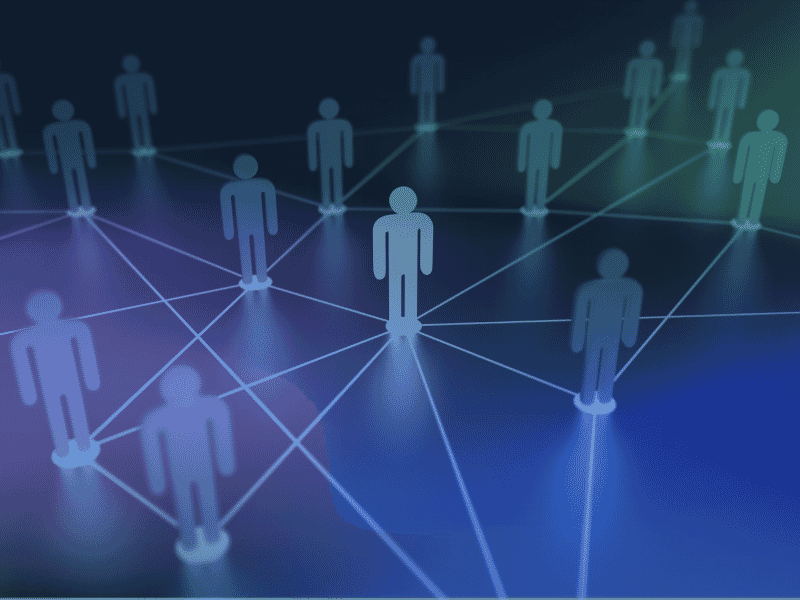
Most transformation programmes generate activity. Fewer generate the insight needed to understand why execution is stalling, where resistance is building, or which informal networks are shaping outcomes beneath the surface. The Transformation Predictor combines organizational network analysis, behavioural data and Human Performance Indicators to produce a clear, evidence-based view of transformation effectiveness and a prioritised map of where intervention will have the greatest impact.

Transformation fails in the human system, not the strategy
Organizations invest heavily in transformation programmes. Most track milestones and budgets. Few have a reliable way to measure how effectively people are actually leading, experiencing and sustaining change — until performance begins to slip.
70% of transformations fail to achieve their objectives
Largely due to human and behavioural factors, not strategic ones. McKinsey.
Only 37% of organizations actively measure leadership behaviour during change
The majority are navigating transformation without meaningful insight into how people are responding. Deloitte.
73% of employees experience multiple concurrent changes
Yet only 16% feel adequately prepared for them. Gartner, 2024.
The answers are not in the org chart
Informal networks, hidden influencers and resistance structures are invisible to standard reporting but decisive to outcomes.
Why the Transformation Predictor?
Why the Transformation Predictor?
See what standard reporting cannot
Maps informal influence structures, resistance hotspots and execution barriers that are invisible in org charts and engagement surveys.
Prioritise intervention with precision
Identifies where effort will have the greatest impact, so resources are focused on the structural and behavioural barriers that matter most.
Embed as a recurring measurement system
Can be deployed as a continuous diagnostic, giving leadership ongoing visibility of how transformation effectiveness evolves over time.

The Multi-Lens Approach
Organizational network analysis
Most organizations understand their formal structure. Few understand their informal one. Organizational network analysis maps the real relationships, influence patterns and information flows that determine how change is experienced and whether it gains traction. It identifies informal leaders whose support accelerates adoption, gatekeepers who control information flow between communities, resistance clusters whose influence may be disproportionate to their seniority, and isolated groups who may feel disconnected from the transformation. This is the insight that does not appear in any org chart or engagement survey.
Human Performance Indicators
IG’s proprietary Human Performance Indicator model breaks organizational performance down into measurable behavioural components. Surveys based on this model capture how people experience the eight core dimensions of human performance, including trust and psychological safety, collaboration, communication, decision-making, leadership, purpose and motivation, culture and adaptability. Applied in the context of a transformation, these indicators reveal where behavioural conditions support execution and where they are creating friction, confusion or disengagement.
Qualitative stakeholder insight
Quantitative data reveals patterns. Qualitative input explains them. Senior stakeholder interviews conducted at the outset of the diagnostic establish strategic context, surface where friction is already being felt, and ensure the analysis is interpreted against the organization’s specific objectives and constraints. This human lens is applied throughout, ensuring that data-driven insight is translated into commercially relevant recommendations rather than abstract analytics.
Clear, prioritised insight for leadership

A clear transformation effectiveness baseline across the organization or region
Identification of execution barriers and structural capability gaps
Visibility of informal leaders, hidden influencers and gatekeepers
Resistance hotspot mapping and early warning of momentum risk
Prioritised intervention areas with the highest business impact
A re-measurement benchmark to track improvement over time and demonstrate ROI
Start a performance conversation
Whether you are planning a transformation, navigating one that is underway, or trying to understand why execution is not keeping pace with strategy, get in touch to explore how the Transformation Predictor can help.
FAQs
Engagement surveys measure sentiment at a point in time. The Transformation Predictor is a multi-lens diagnostic that combines organizational network analysis, Human Performance Indicators and qualitative stakeholder input to reveal not just how people feel, but why execution is stalling, where resistance is concentrated, and which informal structures are shaping outcomes. It is designed for strategic decision-making, not sentiment reporting.
Organizational network analysis uses graph theory to map the the real relationships, influence patterns and information flows within an organization, revealing the structures that determine how change is actually experienced, not how it is supposed to work according to the org chart. It identifies informal leaders whose support accelerates adoption, gatekeepers who control information between communities, and resistance clusters whose influence may be invisible to senior leadership but decisive to outcomes.
The Change Progress Meter provides real-time pulse insight during a specific change initiative. The Transformation Predictor is a deeper, broader organizational diagnostic that establishes a baseline of transformation effectiveness across a whole organization or region, using network analysis and behavioural data to explain why execution challenges are occurring and where to focus for maximum impact.
The Transformation Predictor is designed for complex organizations navigating significant change, typically those with multiple teams, functions or geographies involved in a transformation. It is particularly valuable where execution is uneven, where communication is not translating strategy into action, or where leadership lacks a clear view of how effectively the organization is adapting.
Yes. One of the key applications of the Transformation Predictor is as a recurring measurement system. By establishing a clear baseline and re-deploying the diagnostic at structured intervals, organizations can track how transformation effectiveness evolves over time, measure the impact of interventions, and continuously adjust their approach based on real organizational insight.
Data security and privacy are central to how the Transformation Predictor operates. All data systems are robustly secured and fully compliant with relevant data protection legislation. AI-generated insight passes through a human lens before being presented to clients, and clear boundaries are established for data use and deployment at the outset of every engagement.