Re-Coding Culture
A mastery-level programme for strategic leaders. Use AI-enabled diagnostics and behavioural science to identify hidden cultural assumptions and design interventions that re-code culture for performance.

At a glance
Learning objectives:
- Diagnose culture with precision using established frameworks and AI-enabled diagnostics.
- Understand culture as an operating system and identify where it blocks strategic execution.
- Challenge hidden assumptions and surface the commitments that prevent adaptation.
- Leverage influence networks to embed cultural change at scale.
- Apply behavioural science and AI-supported nudges to shift norms and rituals.
- Design and prototype interventions that re-code culture for long-term performance.
Who’s it for?
- Senior and strategic leaders responsible for transformation and culture change.
- Executives aligning culture with long-term strategic priorities, including innovation, sustainability and future readiness.
- Leaders seeking to move beyond theory to practical, scalable cultural interventions.
Strategy sets direction. Culture determines whether an organization can execute it. When the two are misaligned, even well-resourced transformation stalls. Strategic leaders who can diagnose, challenge and re-code culture are among the most commercially significant people in any organization.

Programme Overview
Re-Coding Culture equips strategic leaders to examine and confront the hidden assumptions, entrenched rituals and informal influence networks that shape how people actually behave. Using AI-enabled diagnostics alongside established behavioural science, including Schein’s model, the Competing Values Framework and Cialdini’s influence principles, participants learn to diagnose culture with precision, challenge what no longer serves the strategy and design interventions that create measurable, lasting change.
AI-Enabled Diagnostics
Participants use AI-powered sentiment analysis and network analytics to surface hidden cultural patterns: the kind that surveys and performance data alone rarely reveal.
Behavioural Science Applied
The programme draws on Cialdini’s influence principles, Nudge Theory and Psychological Safety research, giving leaders practical, evidence-based levers to shift behaviour at organizational scale.
Designed to Re-Code
Leaders design and prototype new rituals, recognition practices and norms that actively reinforce the organization’s future direction. Culture change becomes structured, not incidental.
Programme Details
Re-coding Culture
Two highly applied, interactive face-to-face sessions.
AI-enabled diagnostics and cultural analysis tools integrated throughout.
Pre-work grounded in real-world case studies.
Peer accountability structure for post-programme application.
Got a question?
We have lots of FAQs that might help you answer your questions on this programme.

Key benefits
The following outcomes reflect the diagnostic and design capability that leaders develop across both sessions. Each connects directly to the commercial imperative of aligning culture with strategy, and is grounded in evidence-based tools and frameworks.

Diagnose organizational culture with precision and commercial relevance.
Identify the hidden assumptions blocking cultural adaptation.
Use AI diagnostics to surface invisible cultural patterns.
Leverage influence networks to embed cultural change at scale.
Apply behavioural science to shift organizational norms and rituals.
Design interventions that align culture directly with commercial strategy.
Act as a deliberate, evidence-led cultural former within your organization.
Design, launch and review a practical culture experiment post-programme.
Are you interested in this programme?
Get in touch here, wether you want more information about the programme, speak to our leaders or book the programme.



Change Leadership Case Studies
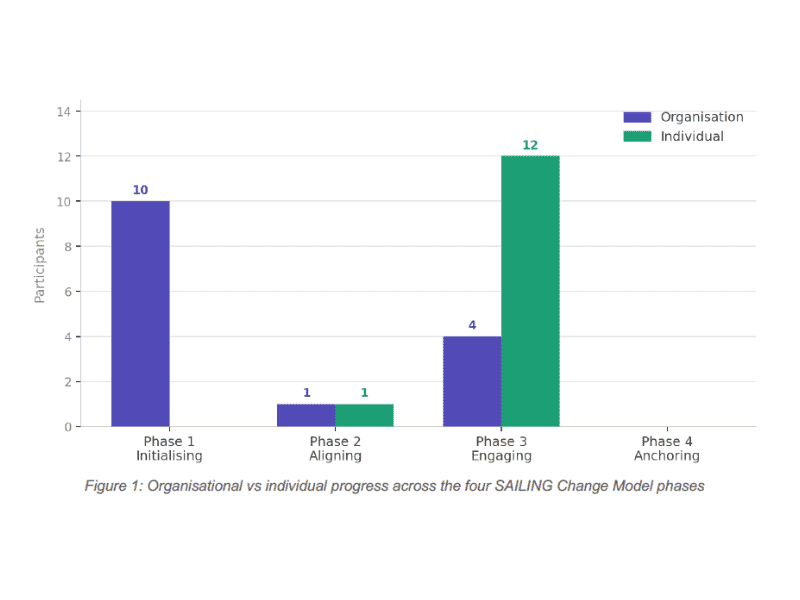
Change Progress Meter: AI Enablement Case Study
How the Change Progress Meter gave senior leaders structured, real-time insight into how a major AI Enablement initiative was being experienced across a global organization.
VIEW CASE STUDY
The Change Leadership Suite in Action: Building Change Leadership Capability Across 16,000 Leaders Worldwide
A global automotive manufacturer needed to build change and transformation capability across 16,000 leaders worldwide. This case study outlines how a structured, maturity-based skill line,…
VIEW CASE STUDY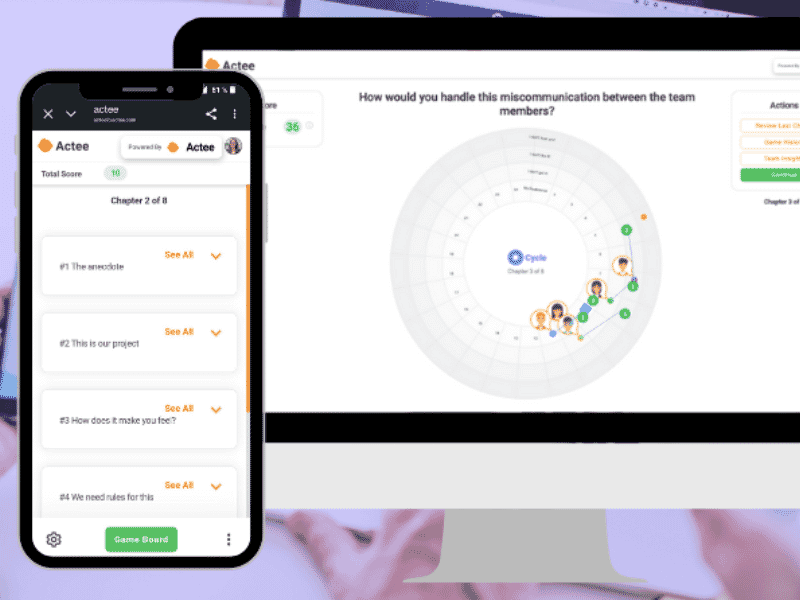
From Passive Learning to Applied Change Leadership in Financial Services
A bespoke virtual programme helping financial services leaders build real change capability through applied, experience-led learning.
VIEW CASE STUDYFAQs
Re-coding culture means deliberately redesigning the assumptions, rituals, norms and influence patterns that shape how people in an organization actually behave. Not what the strategy document declares, but what actually happens. The programme focuses on the practical mechanisms leaders can use to make that shift.
AI is integrated in two specific ways: sentiment analysis to help diagnose the current cultural environment, and network analytics to identify hidden influencers and cultural carriers. AI coaching simulations are also used within the Immunity to Change methodology. This is applied AI in a leadership context, not a technology programme.
The programme draws on Schein’s organizational culture model, the Competing Values Framework, Kotter’s dual operating system, Cialdini’s principles of influence, Nudge Theory, the Immunity to Change methodology and Psychological Safety research. All are applied in practical business contexts.
Yes. Culture re-coding is not solely a crisis response. Many organizations engage this work proactively: to build the conditions for future innovation, align culture with a new strategic direction, or address capability and performance gaps rooted in culture.
It sits at the Mastery level alongside Driving Systemic Transformation. Both are designed for strategic leaders operating at the level of the whole organization or system. Re-Coding Culture is particularly relevant where culture alignment is a primary strategic priority.
Yes. The case studies, diagnostics and intervention design exercises can be adapted to reflect your sector, culture baseline and strategic priorities. Contact us to discuss a tailored approach.