Is there a ‘Woke War’ in the workplace?

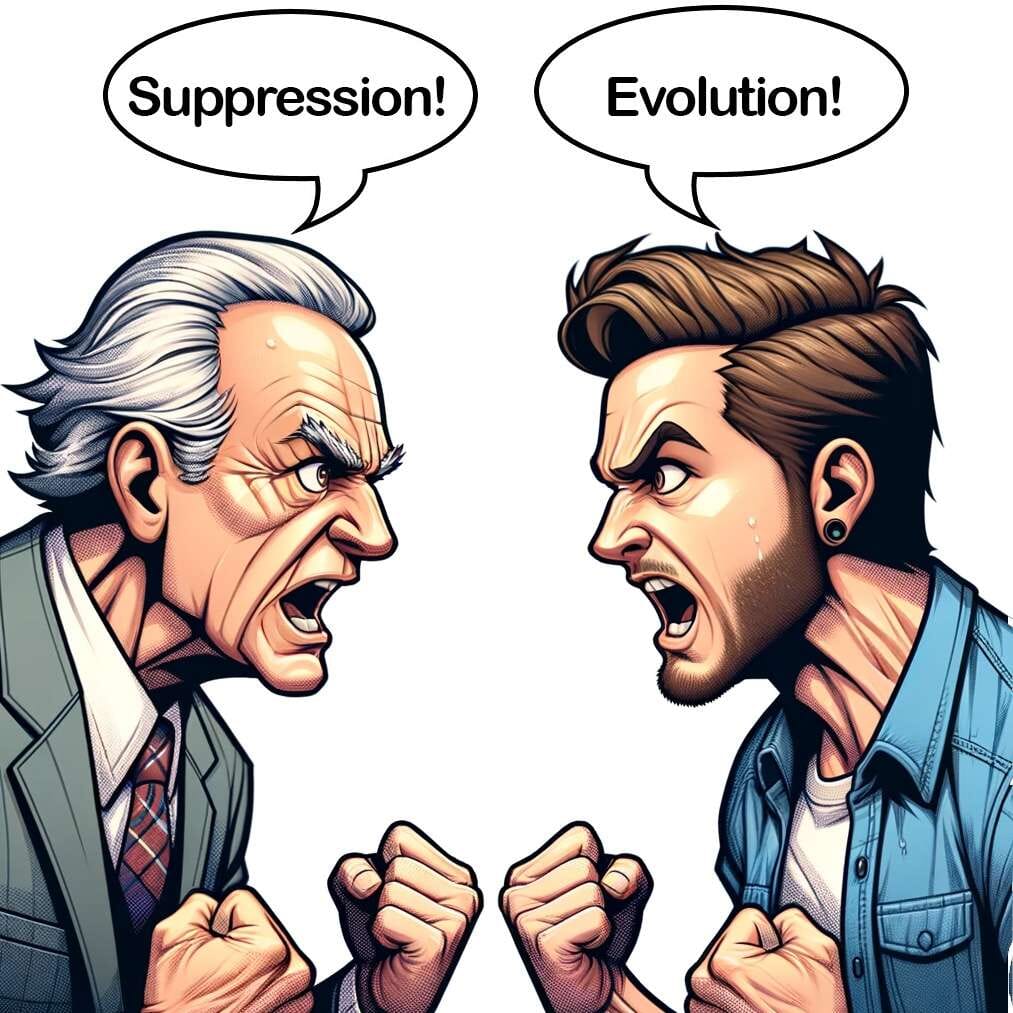
In recent years, society has become a battleground of contrasting views on social justice, equality and inclusivity. There is evidence that this divisiveness is spreading to the contemporary workplace, with a clash of values and perspectives along generational lines within the workforce. Is there a ‘Woke War’? And what can leaders do about it?
A recent survey by Randstad recruitment agendy found that a third of senior workers believed their workplace was becoming too ‘woke’, whereas only 17% of under 35 year olds felt the same. A Gallup poll found that 57% of Baby Boomers and Generation X believe there’s too much political correctness in the workplace. On the flip side, Millennials and Generation Z are more likely to view workplace activism as an integral part of corporate culture, according to a survey by Deloitte.
It was widely publicised recently that Mckinsey’s “Diversity Wins” report found that companies with diverse leadership are 35% more likely to outperform their less diverse counterparts. Dig a bit deeper however and the report also found that whilst sentiment on diversity was 52% positive and 31% negative, sentiment on inclusion was markedly worse at only 29% positive and 61% negative. Meanwhile, US billionaire Vivek Ramaswamy launched a $20 million “anti-woke” investment fund for organizations who do not make political or ideological stands, saying companies should only be concerned with making money.
It’s clear that there is a big division here.
So what is ‘woke’, and why is it an issue?
The term ‘woke’ has been used in African-American Vernacular English since the 1930s, referring to issues of racial prejudice and discrimination, particularly concerning African Americans. It gained wider awareness in the 2000s and 2010s, becoming connected with more broader social inequalities, such as gender and identity politics. In the workplace, it has taken on a context encompassing a range of initiatives aimed at addressing systemic inequalities and promoting diversity and inclusion.
One perspective is that the emphasis on wokeness is stifling free speech and creating a culture of political correctness. Critics argue that this heightened sensitivity can lead to a stifling work environment where people fear expressing dissenting opinions, hindering open dialogue and healthy debate.
Conversely, proponents believe that these changes are a crucial step in dismantling longstanding structures of discrimination and promoting a more tolerant and diverse workplace. They argue that this cultural shift is not about stifling speech but instead creating an environment where everyone feels valued, respected, and included.
It would seem that what one generation sees as political correctness and suppression, another sees as inclusivity and evolution.
This Woke War has lead to one CEO, Brian Armstrong of Coinbase, instigating a new corporate policy of “political neutrality” that forbade employees from having political debates, expecting the company to represent personal beliefs, or from promoting activism at work. Business behemoths Google and Meta have had their own issues trying to manage divisive arguments on internal message boards.
Reaching across the divide
This is a particularly tricky issue for a lot of organizations who must at least acknowledge the divisive nature of the conversation. It’s not merely a clash of ideas; it’s a collision of worldviews. Whilst a diversity of opinions, viewpoints and beliefs can be a good thing – it is in many ways the fertile earth from which innovation grows – this ideological sparring is good only in creating discord.
Speaking to HR magazine, David Liddle, CEO and chief consultant at mediation consultancy The TCM Group said: “The issue of wokeness is potentially divisive and an easy trap to fall into. HR teams should listen to the concerns, needs and aspirations of their people. Review your values and purpose and [re-establish] them as a golden thread that can unite your workforce.”
It’s clear that dealing with the ‘Woke War’ in the workplace requires a modern kind of sensitive leadership. It is a dynamic conversation that requires active listening, empathy, and a commitment to finding common ground. To move forward, organizations must foster an environment where diverse opinions are not only tolerated but celebrated – and most importanly, included, with everyone recognising the ultimate benefits.
You may also like...
Most leadership development programmes teach people what to think. Leadership simulation exercises put them in conditions where they have to think, decide and act. Under...
VIEW ARTICLE
What does structured leadership development actually return? After 19 years of delivering FUSION, a year-long programme for HSBC, we have a considered answer. Drawn from...
VIEW ARTICLE
AI is rapidly becoming embedded in everyday work. The real challenge for organizations is no longer technology adoption, but how leaders exercise judgement and governance...
VIEW ARTICLE