Making the Most of LinkedIn: Purpose, Psychology and Personalisation

At this month’s internal Purpose Session, Fliss Wingrove, UK MD at Inspirational Group shared a practical and deeply human approach to using LinkedIn for business growth. With humour, warmth, and actionable insight, Fliss reframed the platform not as a megaphone for self-promotion, but as a relationship-building space rooted in trust, curiosity and value.
Here’s what we learned.
1. Optimise Your Profile, Build Your Credibility
Before you even send a connection request, your profile needs to do some heavy lifting.
Fliss’ top tips:
-
Header Banner: Make use of LinkedIn’s new rolling banner feature. Consider showcasing multiple services, values or messages. Test it on both mobile and desktop.
-
Profile Photo: Make sure your image faces inward — it increases psychological connection.
-
Headline & Summary: Combine clarity with intrigue. Use keywords aligned to your target audience, and balance professionalism with personality.
-
Featured Section: Pick one high-credibility piece (e.g. a Forbes article, TEDx talk, or insightful post). Make it easy for people to see your value at a glance.
-
Skills: Keep to around 15. Focus on those you want to be known for — and aim for endorsements to reinforce credibility.
-
LinkedIn Fundamentals Certificate:
It’s quick to complete and boosts both visibility and trust.
2. Conversations Over Cold Pitches
At the heart of Fliss’s approach is intentional, human connection. No automation. No cold selling. No inbox invasions.
Her proven LinkedIn outreach strategy:
-
Send 5 personalised connection requests per day. Mention shared interests, mutual contacts, or meaningful touchpoints (like a recent event or post).
-
Follow up with a warm, open message once the connection is accepted:
“Thanks so much for the connection. Hope all is well with you in these still rather crazy times.”
-
Never pitch straight away. Instead, ask thoughtful questions, offer genuine insight, and be curious about them.
3. Get Smart with Sales Navigator
Fliss shared how she uses LinkedIn Pro and Sales Navigator to uncover high-potential leads — not by casting a wide net, but by filtering intelligently:
-
Search by job title, former companies, shared university, or mutual connections.
-
Use the Persona feature to surface individuals based on previous successful engagement patterns.
-
Identify old clients in new roles and reconnect – “if they loved you once, they may love you again.”
4. Lead with Generosity, Not Ego
What resonated most was Fliss’s insistence that credibility stems from authenticity and generosity, not bravado. Share content that teaches, informs or inspires — not that sells.
A few powerful ways to do that:
-
Share a coaching question that sparked change in a client.
-
Comment thoughtfully on others’ posts before requesting to connect.
-
Send someone a relevant TED talk or article after discovering their interests (not before).
-
Let your profile and past posts speak for themselves — so you never have to “pitch” in a message.
5. Final Word: You Don’t Sell to Relationships — You Build Them
LinkedIn isn’t a digital billboard. It’s a space to begin conversations that matter. The people we want to work with are time-poor, values-driven, and connection-led. If we meet them where they are — with real curiosity, shared purpose and zero pressure — we begin to earn trust.
As Fliss reminded us…
“Sales come from support. Relationships come from resonance.”
Let’s get connecting — with purpose.
You may also like...
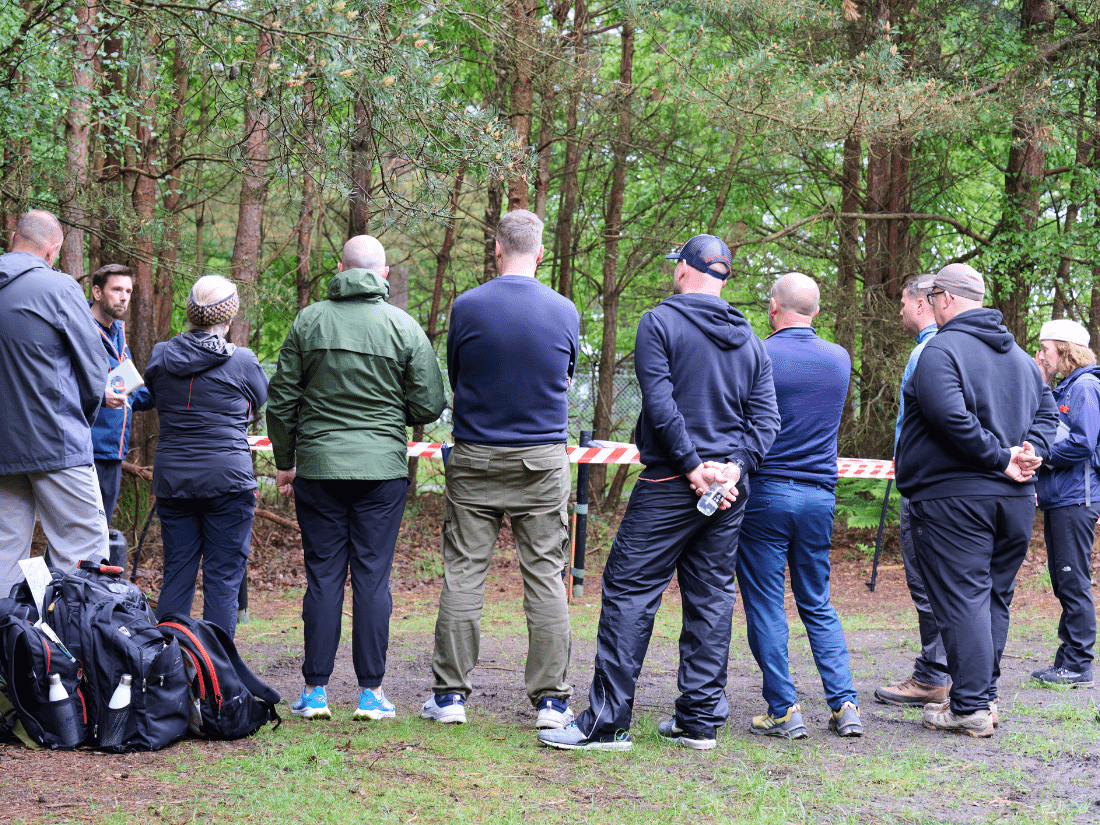
Most leadership development programmes teach people what to think. Leadership simulation exercises put them in conditions where they have to think, decide and act. Under...
VIEW ARTICLE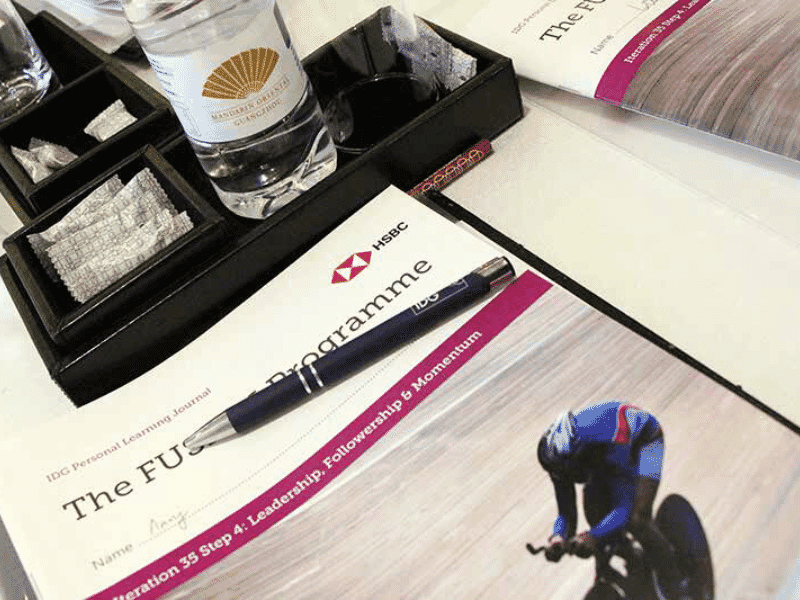
What does structured leadership development actually return? After 19 years of delivering FUSION, a year-long programme for HSBC, we have a considered answer. Drawn from...
VIEW ARTICLE
AI is rapidly becoming embedded in everyday work. The real challenge for organizations is no longer technology adoption, but how leaders exercise judgement and governance...
VIEW ARTICLE