Mental Toughness: how to navigate the modern leader’s mental obstacle course


The modern world – a world that is in flux and likely to remain so for decades – presents many challenges for anyone in a management & leadership role. So much is uncertain, so much is likely to shift suddenly and without warning, so much is at stake, so many stakeholders having expectations that may be in apparent – or real – conflict.
It’s a tough gig.
When Shakespeare conceived the plot of Hamlet – and the soliloquy from which is above – the world was a much simpler, more direct place. Problems were often huge but were typically very visible and with solutions that were well-rehearsed and understood.
We don’t live there anymore. We probably never will.
Today and tomorrow, we are facing problems, challenges and influences that have never existed before in the whole human experience.
We stand or fall on the way we respond.
Any manager & leader could perhaps be forgiven for thinking that their job was mostly about action. Decisiveness. Dynamism. Energy. Drive. Focus. Keeping the goals at front of mind and having the right skills and attitudes.
All true, up to a point. However, behind all of that is their brain and how they think.
All the other stuff starts with the way they perceive the world, how they work things out, how they formulate ideas, how they make decisions. Above all else, it’s their thoughts and thinking patterns which dictate – to a large extent – who they are, how they behave and what they achieve.
Yet often very little time and attention is focused on understanding and developing the way they think, their mindset and what they choose to do as a result. Only once this is understood can the manager & leader begin to strengthen their mind, increase their fortitude and re-calibrate their behaviour, attitudes and impact. So much skills development and training is wasted or fails to deliver the intended outcomes, in part because the person’s thinking has not shifted, or snaps back to its default settings soon afterwards.
If you want to make a significant shift – in attitudes, decisions, relationships, ideas, performance and behaviour – it makes sense to begin at the beginning.
So how can that be achieved? Initially, using a straightforward assessment. Completing an assessment for ‘mental toughness’ takes only about 15 minutes and generates a very useful and very accurate report.
It explores key cognitive strengths and sensitivities which will be having an impact on the individual’s behaviour and performance every single day. It produces many ‘lightbulb moments’ where the root causes of previous challenges, perceptions and attitudes are illuminated.
Interpretation and feedback from a skilled and qualified practitioner is crucial and must soon follow. It is from that point forwards that the deeper insights can come.
Those who already possess a good degree of self-awareness will quickly recognise the findings and implications of the assessment & report. Those who are less inclined to reflect accurately on their behaviour and impact may take a little longer to see and realise the potential impacts of the assessment on their leadership. Wherever they start from and however long the road ahead, the journey will undoubtedly begin at the point of the feedback conversation.
The slings and arrows of outrageous fortune will always remain. All of us will face significant challenges, obstacles and barriers.
Our ability to overcome those things will, in significant part, come from our ability to face them with equanimity, a positive outlook, confidence and fortitude. Whether we are ready to do that or not is often a mixture of genetics, temperament, experience and the sum of what we have learned over the years. We know what people do; we can see it. We usually know how effective it is from observation and results.
But what’s going on in their heads and why?
The assessment of mental toughness gives a clear answer to that eternal question and might just open the door to a significant shift in performance, relationships & achievement.
Don’t you want to find out?
If you think that assessing and discussing your mental toughness might help you (it will) or that ignoring the way your brain functions is a big mistake (it is) – then contact the author via Inspirational Development Group and arrange an initial conversation to explore what we can do and how it would work.
The Mental Toughness assessments (the generic term for this whole area of performance) can be used to assess one leader, a whole leadership team or the entire management cohort of an organisation and this can be for the purposes of individual leader development, leadership team performance, culture shift or organisational development.
We discussed Mental Toughness in an episode of our podcast Leadership Learned. You can listen to it below, and if you like what you hear please subscribe using the button on the player.
You may also like...
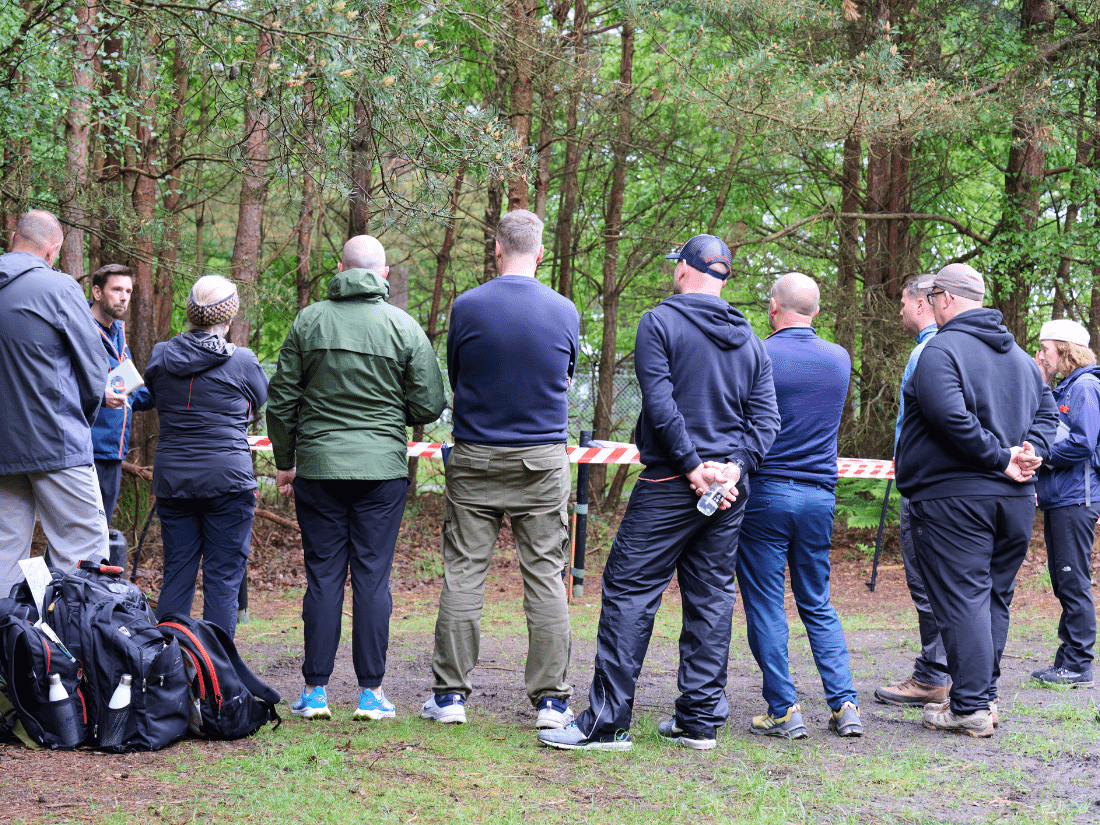
Most leadership development programmes teach people what to think. Leadership simulation exercises put them in conditions where they have to think, decide and act. Under...
VIEW ARTICLE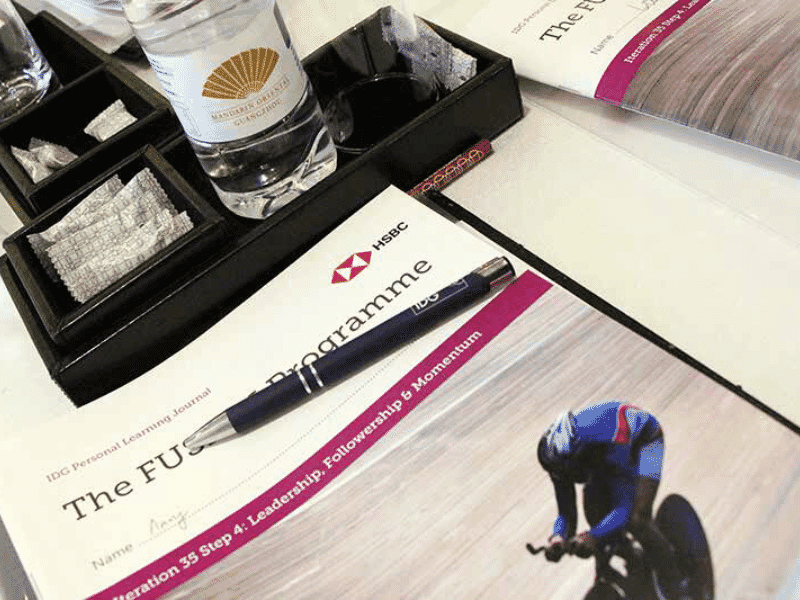
What does structured leadership development actually return? After 19 years of delivering FUSION, a year-long programme for HSBC, we have a considered answer. Drawn from...
VIEW ARTICLE
AI is rapidly becoming embedded in everyday work. The real challenge for organizations is no longer technology adoption, but how leaders exercise judgement and governance...
VIEW ARTICLE