Resilience: The Seven Pillars That Keep Us Strong

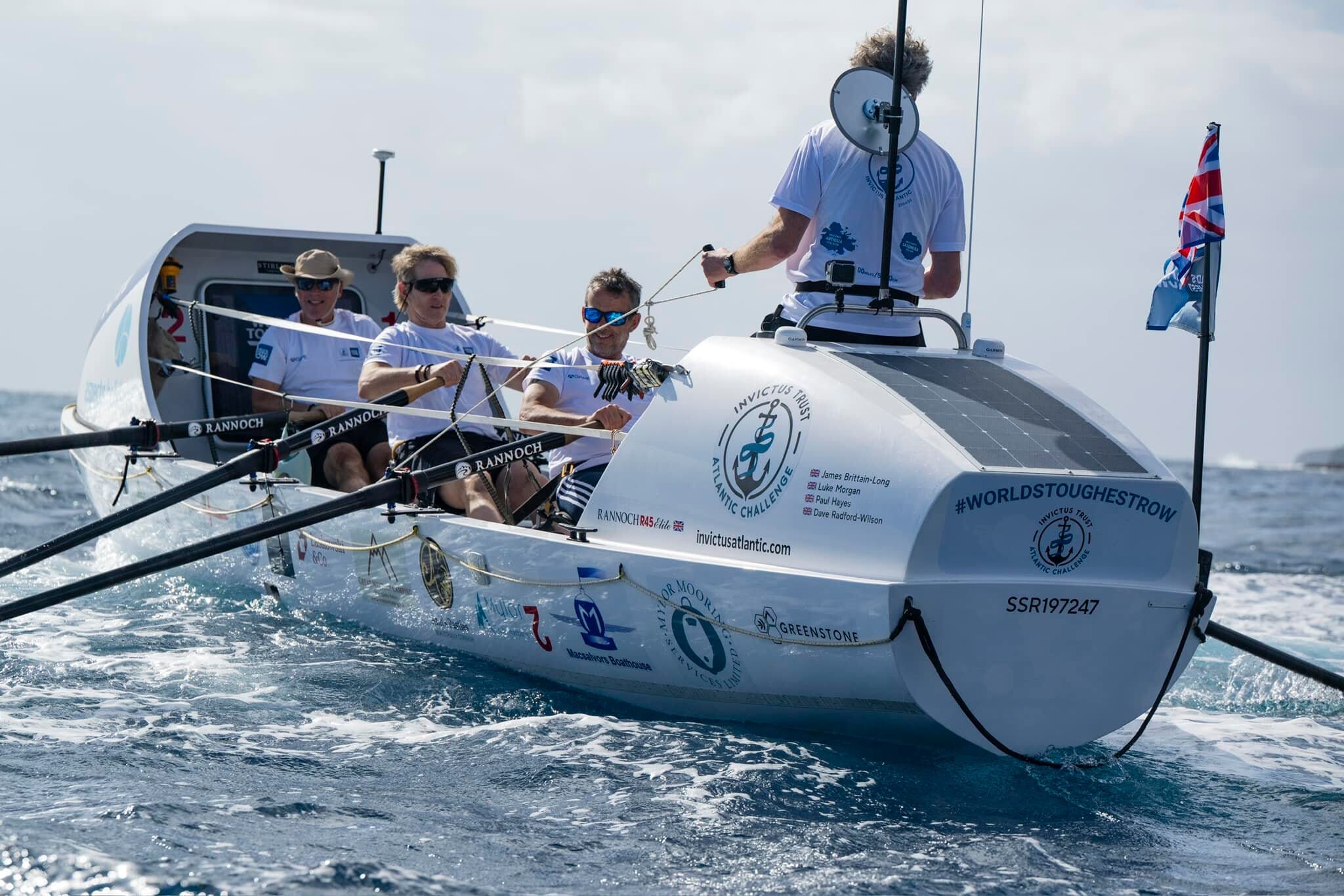
Join us as we explore these pillars through Dave’s insights and practical advice, including reflections and self-development tips for each.
Pillar 1: Sleep
Sleep is the foundation of resilience, providing the body and mind with the recovery they need to perform. However, onboard the boat, sleep is scarce and difficult to achieve. The crew operates on two-hour shifts, making rest fragmented and challenging.
“We try to maximise the quality of our sleep despite the noise, heat, and movement. Earplugs, eye covers, and efficiency in our downtime are essential.”
Reflection and Tip:
- Reflect: Are you prioritising sleep as a key pillar of your resilience? What could you do to improve your sleep quality?
- Tip: Create a calming bedtime routine and remove distractions like noise and light to maximise your rest, even during stressful periods.
Pillar 2: Hydration
The body can survive weeks without food but only days without water. For the crew, staying hydrated is a daily battle as they face intense heat and physical exertion.
“Maintaining hydration is critical. We even check the colour of our urine to ensure we’re drinking enough.”
Reflection and Tip:
- Reflect: Do you drink enough water throughout the day? What signs does your body give you when it needs hydration?
- Tip: Keep a water bottle nearby and set reminders to drink regularly. Monitor your hydration levels by noting energy and focus levels.
Pillar 3: Exercise
Exercise is typically a positive resilience builder, but on the boat, the crew’s 12-hour rowing schedule flips this pillar on its head.
“We’re over-exercising, so balance becomes key. You need to compensate for physical strain with rest and relaxation where you can.”
Reflection and Tip:
- Reflect: Are you striking the right balance between activity and rest? How does this affect your resilience?
- Tip: Incorporate light, restorative movements like stretching or yoga into your day to balance intense physical activity.
Pillar 4: Diet
Fuelling the body is essential, especially during extreme physical challenges. The crew consumes over 5,000 calories daily, often in small, frequent meals.
“It’s all about a healthy, balanced diet and making sure we’re getting the nutrients we need to stay energised.”
Reflection and Tip:
- Reflect: Is your diet supporting your physical and mental resilience? Are there small adjustments you could make?
Tip: Focus on whole foods, balance your macronutrients, and listen to your body’s energy needs.
Pillar 5: Adaptability
Living on a small boat in the middle of the ocean requires constant adaptation to challenging conditions.
“The boat and the sea are neutral environments. By adapting, you make life easier and turn challenges into opportunities.”
Reflection and Tip:
- Reflect: How well do you adapt to unexpected changes? What strategies help you stay flexible
- Tip: Embrace change as a chance to grow. Reframe challenges as opportunities to learn and improve.
Pillar 6: Medical Health
Maintaining physical health is critical to resilience. For Dave and the crew, this means managing injuries, hygiene, and seasickness to prevent setbacks.
“Just maintaining your health puts you in a far better place to remain resilient.”
Reflection and Tip:
- Reflect: Are you proactive about your physical health? What small habits could reduce potential health risks?
- Tip: Prioritise preventative care, including hygiene, rest, and addressing minor issues before they escalate.
[Video 8]
Pillar 7: Positive Mental Attitude
A positive mindset is essential for resilience. Dave highlights the importance of cultivating confidence and focusing on what you can control.
“By building confidence and planning for contingencies, you save energy and stay positive, even in tough conditions.”
Reflection and Tip:
- Reflect: Do you actively work on maintaining a positive outlook? How do you manage negative thoughts?
- Tip: Practice gratitude daily and focus on small wins to keep your mindset strong during challenges.
Bringing It All Together
Resilience isn’t built overnight. It’s cultivated through intentional effort and a balanced approach to these seven pillars. Whether you’re facing the waves of the Atlantic or the challenges of daily life, remember that resilience is about adapting, maintaining balance, and staying focused on what truly matters.
Explore more about Invictus Atlantic >
Endure, Inspire, Lead: Why IG is Supporting Invictus Atlantic in the World’s Toughest Row
You may also like...
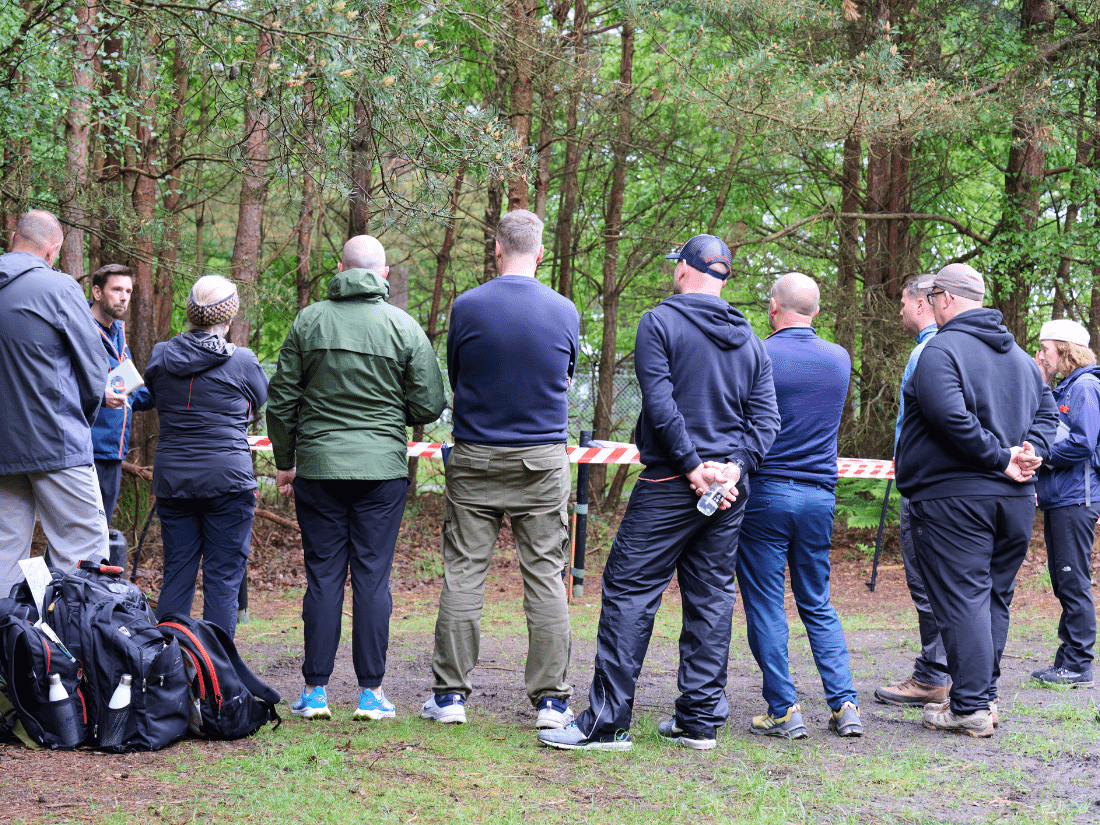
Most leadership development programmes teach people what to think. Leadership simulation exercises put them in conditions where they have to think, decide and act. Under...
VIEW ARTICLE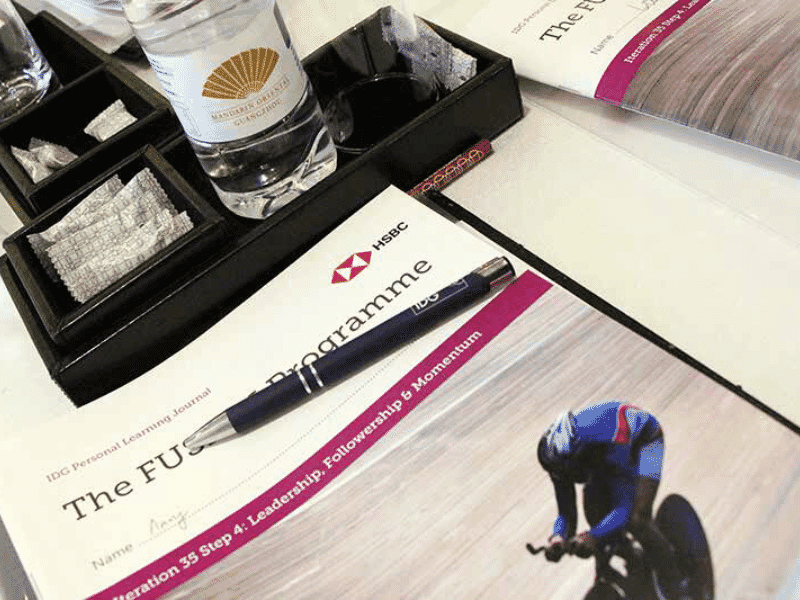
What does structured leadership development actually return? After 19 years of delivering FUSION, a year-long programme for HSBC, we have a considered answer. Drawn from...
VIEW ARTICLE
AI is rapidly becoming embedded in everyday work. The real challenge for organizations is no longer technology adoption, but how leaders exercise judgement and governance...
VIEW ARTICLE