Review of 4th High Performance Learning Annual Conference

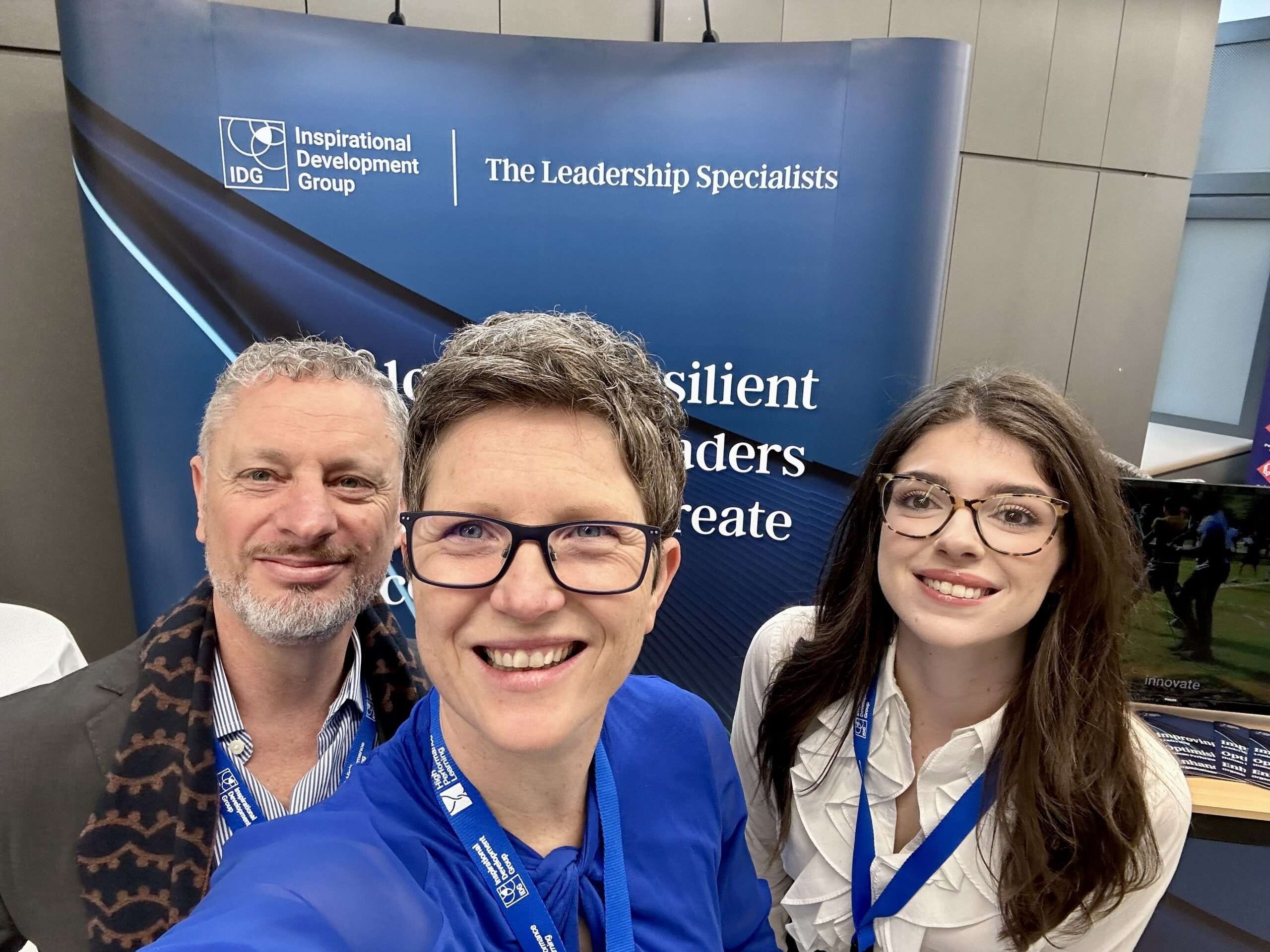
According to Sir Clive, it’s better to be a sponge than a stone…
Last week IDG Youth had the pleasure of attending the 4th High Performance Learning Annual Conference as their platinum sponsor. The two-day event was filled with thought-provoking keynote speakers, such as Sir Clive Woodward, OBE, coach of the 2003 World Cup-winning England Mens Rugby Team, and a plethora of stimulating and engaging workshops, panels and breakout sessions. It was wonderful to be surrounded by like-minded individuals, dedicated to supporting and inspiring the next generation of high-performing leaders by doing things differently in their schools.
DNA of a Champion
Day one kicked off with Sir Clive and to use his phrase, we were all ‘sponges’ taking in his every word. I could pull hundreds of memorable quotes from his session, but the one that really stuck with me was, “great teamwork comes from great individuals performing at optimum levels”—highlighting the importance that a team is only as strong as its weakest member and reminding us that we need to be motivating our people to stretch themselves to their full potential.
I was interested to hear that as the England coach, he would invite leaders from different industries to shadow him and the team for a few days – his only request being that they wrote down what they thought they were doing well, and where they could improve or do things differently. This is a great way to remove ourselves from echo chambers and hear new ideas and fresh perspectives.
I’d not previously considered the difference between stress and pressure, nor how we might think in order to perform effectively under pressure. We can spend considerable time planning and evaluating the best course of action, but that can all go out the window in seconds when pressure descends or stress rises. To be an effective leader, we must practice performing under pressure so we can learn to adapt to new and novel circumstances. It must be noted that there is a huge difference between pressure and stress – so making sure your team thrive under pressure doesn’t mean you should be pushing forcing it on them constantly.
The Leadership Journey
My third takeaway is that talent isn’t enough to be successful. Learning is a lifelong journey, and we should be the sponge, adopt a growth mindset, and constantly look to learn and develop ourselves.
When should this journey begin? We believe it should start in school, where children are at their most curious and creative. Piaget’s preoperational stage states that up to the age of 7, children are at their most creative, think symbolically, pick up languages and learn music quickly, and these behaviours have a significantly positive impact on their development and leadership potential. Maybe we should be focusing on this time to develop their leadership skills too?
At IDG we do. We work with secondary school students to develop their leadership capacity. We see schools providing leadership roles for students, but not always the opportunity to consider what it means to be a leader, the skills and behaviours required, and the time to practice, reflect, get feedback and iterate.
How do we do it? Get in touch and we’ll tell you.
You may also like...
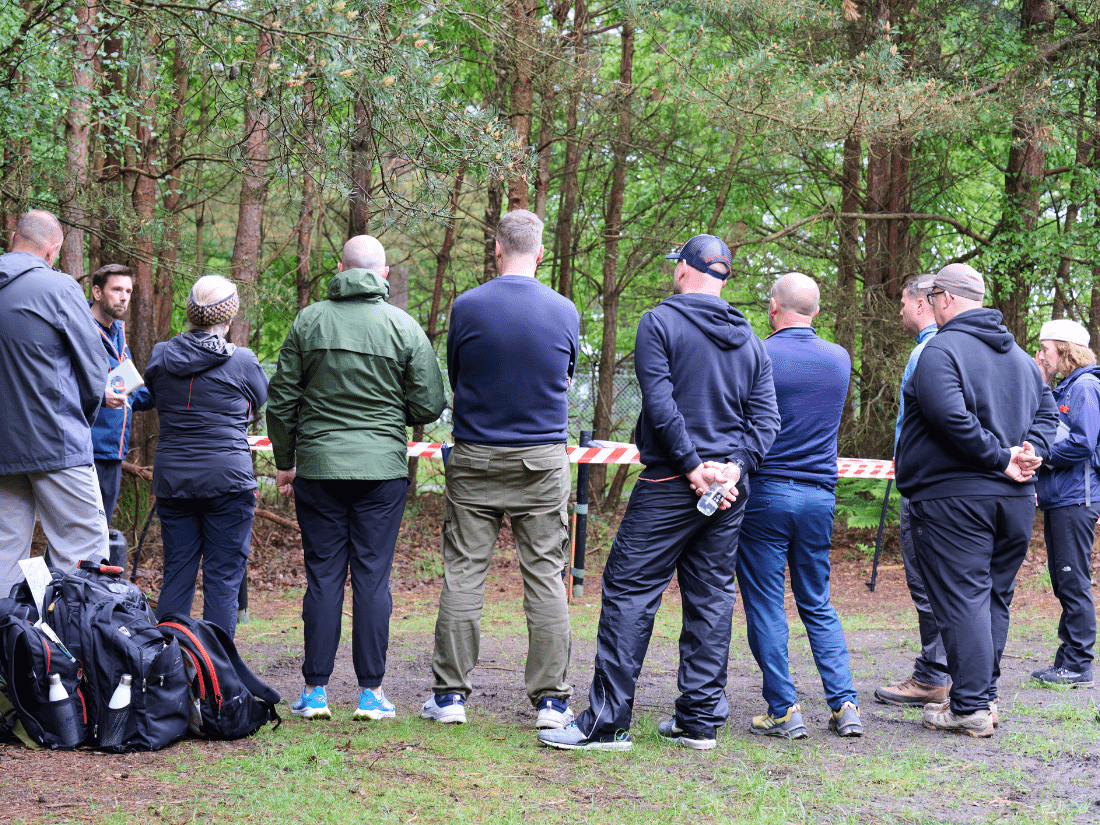
Most leadership development programmes teach people what to think. Leadership simulation exercises put them in conditions where they have to think, decide and act. Under...
VIEW ARTICLE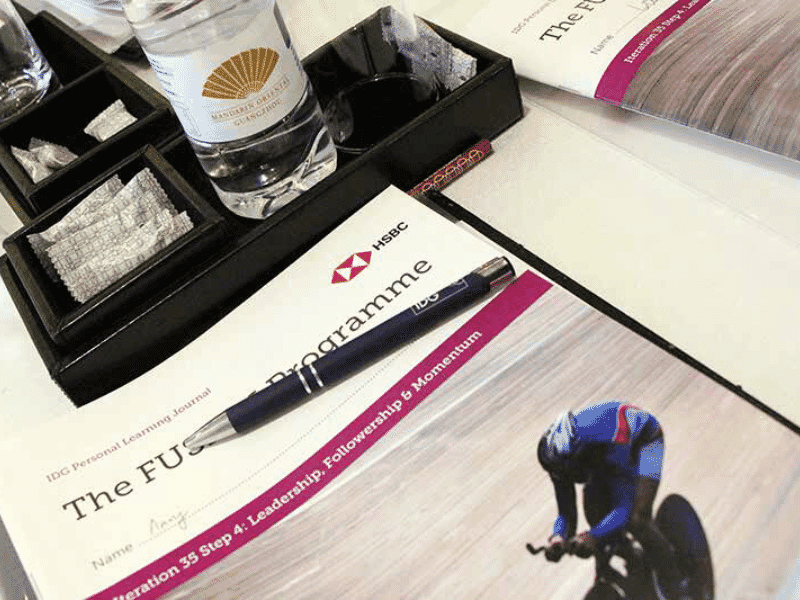
What does structured leadership development actually return? After 19 years of delivering FUSION, a year-long programme for HSBC, we have a considered answer. Drawn from...
VIEW ARTICLE
AI is rapidly becoming embedded in everyday work. The real challenge for organizations is no longer technology adoption, but how leaders exercise judgement and governance...
VIEW ARTICLE