Rick Maurer’s The Cycle of Change

As part of the integration of CLP into Inspirational Group (IG), we’re excited to bring valuable resources like Rick Maurer’s Cycle of Change to a wider audience. This well-regarded framework has supported countless leaders in navigating the complexities of organisational change. If you’ve arrived here via a redirect from the CLP website, welcome – you’re in the right place to explore insights and strategies for managing change effectively.
Rick Maurer’s Cycle of Change provides leaders with a visual framework to understand how organisational change unfolds and how individuals typically react throughout the process. It is also one of the key models we utilise in our change leadership approach at Inspirational Group, supporting leaders in guiding their teams through transformational journeys.
By conceptualising change as a cycle, leaders can better anticipate the potential outcomes of change and identify alternative actions to take in the present. This perspective also reflects the continuous and dynamic nature of change within most organisations.
The Six Phases of Rick Maurer’s Cycle of Change:

In the Dark
Individuals may observe isolated, seemingly unrelated signs of change but lack clarity about their significance. Some people may have early insights, while others feel paralysed by uncertainty and inaction.

See the Challenge
Patterns start to emerge, revealing the necessity for change. Leaders should focus on helping those “in the dark” recognise the need for change. This phase often requires more time and patience than anticipated to ensure later acceptance and engagement.

Get Started
Decisions are made, and initial actions or pilot projects are launched. Leaders should take care not to rush this phase. Involving a broad base of stakeholders early can significantly ease later implementation efforts.

Roll Out
The change is implemented on a larger scale. If earlier phases were well-handled, this phase becomes smoother. Success depends on ensuring sustainability with the right resources and aligning with stakeholder expectations.

Results
This phase reveals the tangible outcomes of the change, whether positive or negative. The change starts becoming a routine part of work life. Leaders must ensure that the change is well-integrated and no longer perceived as a “special event.”

Time to Move On
Once results are established, it’s essential to shift focus to future initiatives. Reflecting on lessons learned and documenting them is critical for continuous improvement. Leaders should assess whether the effort was worthwhile and how insights can shape future change processes.
Key Insights on Rick Maurer’s Cycle of Change:
Leaders often manage multiple changes simultaneously, each at different phases of the cycle.
Visualising where you are in the process can help prioritise time and resources effectively.
Recognising the current phase helps in addressing obstacles and guiding stakeholders through change.
When to Use Rick Maurer’s Cycle of Change:
- Onboarding new team members involved in change initiatives.
- Prioritising personal and team efforts in driving change.
- Identifying why key stakeholders might be resistant or disengaged.
Understanding and applying the Cycle of Change can equip leaders with the insight and strategies needed to navigate the complexities of organizational change successfully.

You may also like...
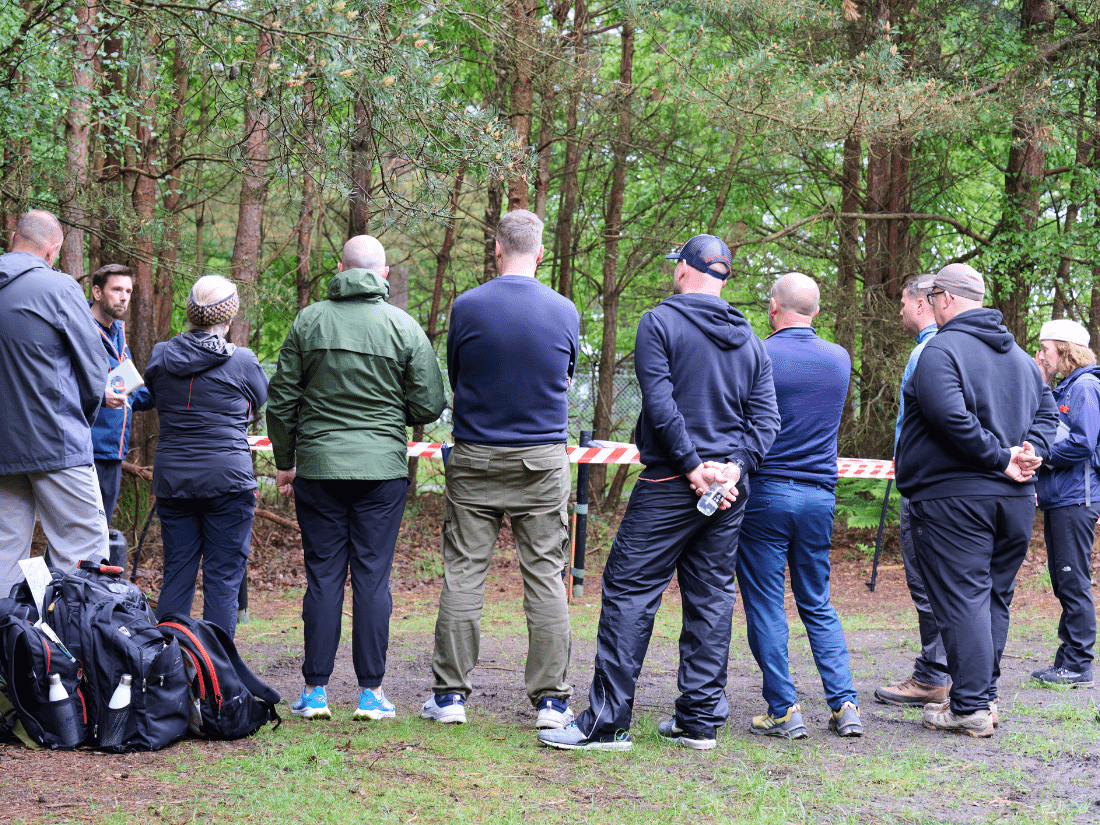
Most leadership development programmes teach people what to think. Leadership simulation exercises put them in conditions where they have to think, decide and act. Under...
VIEW ARTICLE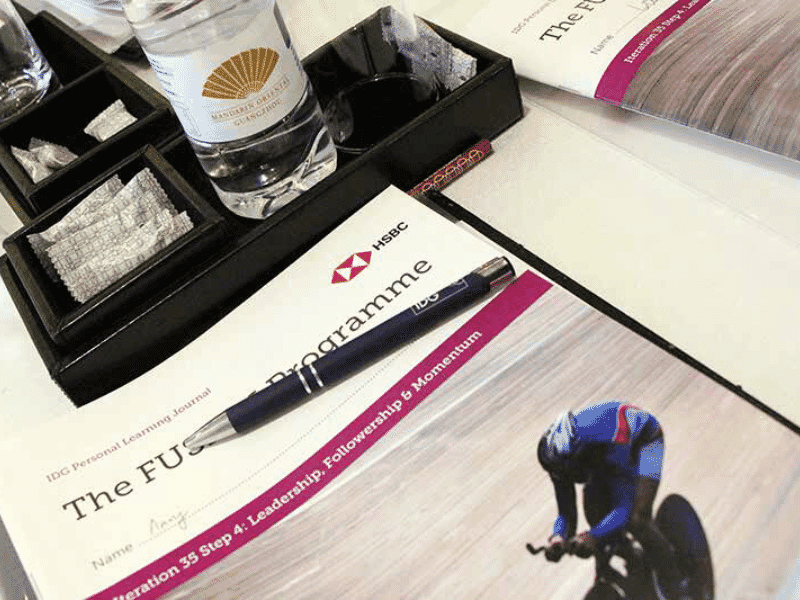
What does structured leadership development actually return? After 19 years of delivering FUSION, a year-long programme for HSBC, we have a considered answer. Drawn from...
VIEW ARTICLE
AI is rapidly becoming embedded in everyday work. The real challenge for organizations is no longer technology adoption, but how leaders exercise judgement and governance...
VIEW ARTICLE