What is the Impact of Uncertainty? A New Leadership Challenge


As the world moves beyond the pandemic, the huge ramifications at work and home are still being felt and are impossible to ignore. It is not surprising that significant residual impacts on people’s thinking, wellbeing, behaviour and attitude to work remain. The question is: has leadership changed to meet these challenges?
Some of these behavioural shifts may be overt – panic buying and the backlash against isolation and mask-wearing being early examples – while others such as the increase in resignations and ‘quiet quitting’, conflict between organizations and workforces on returning to the office and reactions to reduced flexibility have been very evident more recently.
Other impacts have been less overt, such as the rebalancing of home and work roles, shifting attitudes towards careers, recognition of the impacts of stress and overworking on wellbeing, and many more.
We are at a crossroads as organizations, leaders, employees and societies.
Many leaders are not yet ready for this new reality and neither are their organizations.
The skills and experiences many have acquired and honed over decades are no longer the ones most needed. Qualities such as curiosity, humility, resilience, emotional intelligence, openness, sociability and inclusiveness have overtaken the harder capabilities of strategy, target-focus, drive and dynamism.
It isn’t the case that these old-school capabilities no longer matter. They are, however, no longer enough.
For decades we have selected leaders based on a blueprint and skillset that no longer fits the needs of an insecure and uncertain world. As Gen Z and Millennials move up the ladder, we need less old-school management and more contemporary leadership – the type that provides inspiration, empowerment, creativity, collaboration, support, encouragement and opportunity. Why might that be the case, you may ask?
Cognitive science shows us that the human mind and body typically responds to threats physiologically. Our brain perceives and assesses any threat very quickly and triggers a cascade of hormonal reactions when the threat is deemed significant. This can be as simple as an increased heart rate and heightened state of arousal or alertness but can also be extreme, triggering the fight/flight/freeze response common to most animals. This we know.
However, the big challenge for leaders is that in times of uncertainty, there is always a base level of threat. It may not take much to push people into their extreme responses. Seemingly trivial demands may be that ‘last straw’ and cause disproportionate reaction.
The underlying threat could be losing a job, company collapse, or restructuring. Other fears include fears for family, rapid technology changes, global events, environmental catastrophe, political upheaval… there are so many reasons to feel under threat in today’s world.
The consequence is that many people are permanently on edge, scanning for signs of imminent danger, susceptible to illness, prone to be reactive and uneasy about their circumstances, and concerned for their wellbeing – mentally, financially and physically.
For leaders, this typically means that their people more than ever need to feel cared for. They are likely to be harder to engage, uncertain performers, respond negatively to change or opportunity and less likely to respond positively to challenging demands.
The way a leader responds to these issues is crucial. Several capabilities must be at the forefront of our development and selection of leaders.
- Emotional awareness and intelligence is a fundamental need to enable leaders to spot, assess and respond to the needs of people. It is not fixed and can be developed throughout life
- Self-Awareness is needed to enable any leader to recognize their ‘shadow’ – allowing them to adapt their approach to optimize the potential and performance of others.
- Curiosity is sometimes inherent in an individual, but can also be learned and enhanced through coaching. In times of flux, curiosity finds answers, spots opportunities and embraces difference
- Inclusiveness is crucial to bringing together the best of everyone and enabling everyone to be the best version of themselves. The more people feel part of the solution, the less likely they are to be part of the problem. Some are naturally inclusive, others need to learn how.
- Collaboration is a new experience for many leaders, often raised and trained in a competitive world. When no-one has all the answers, together, all of us might. Barriers and silos don’t help us much today, leaders can and must open the door
- Sociability is so important. Building relationships, being open and approachable and creating togetherness and even love are replacing professional distance and hierarchy. Enjoying power and being the boss won’t be helpful if talent deserts you for someone they prefer to work with.
Uncertainty has consequences, shapes behaviour and affects attitudes. Leaders need to hone the capabilities that will create powerful, connected and innovative teams able to thrive in a world of flux.
Find out more about how you can gain the leadership skills to thrive in the new workplace by attending our free Leadership Masterclass.
You may also like...
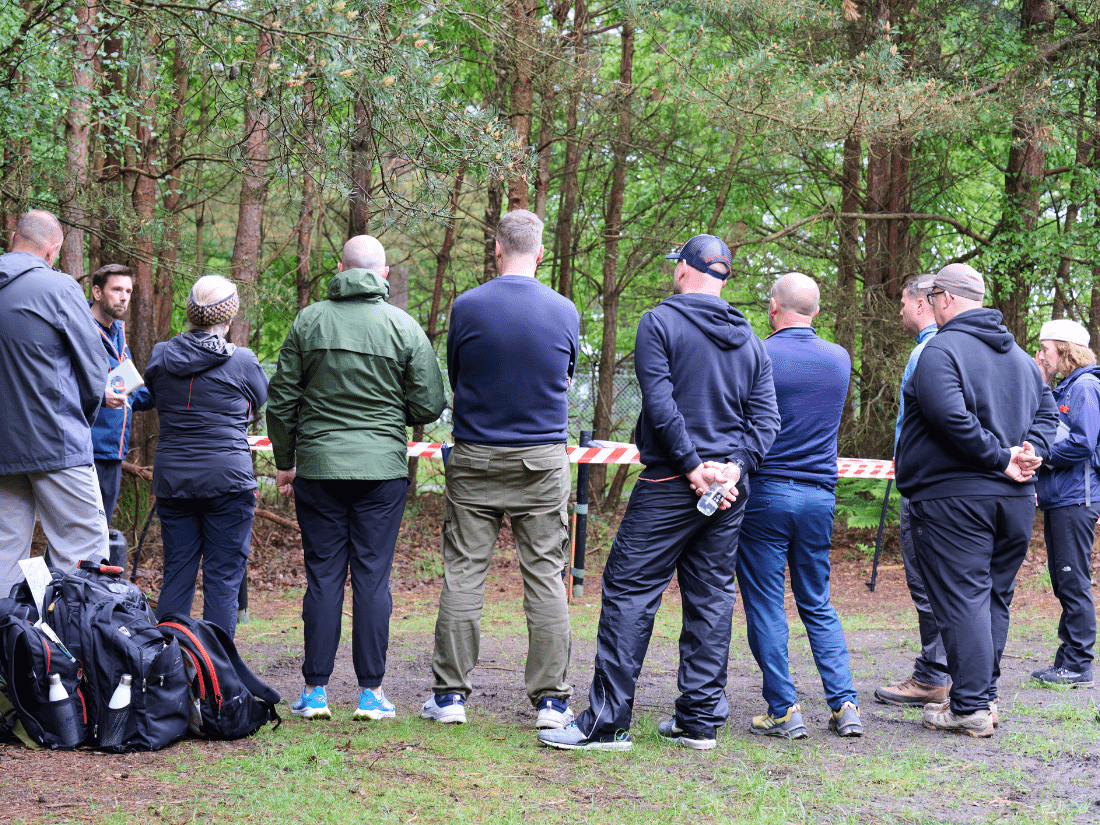
Most leadership development programmes teach people what to think. Leadership simulation exercises put them in conditions where they have to think, decide and act. Under...
VIEW ARTICLE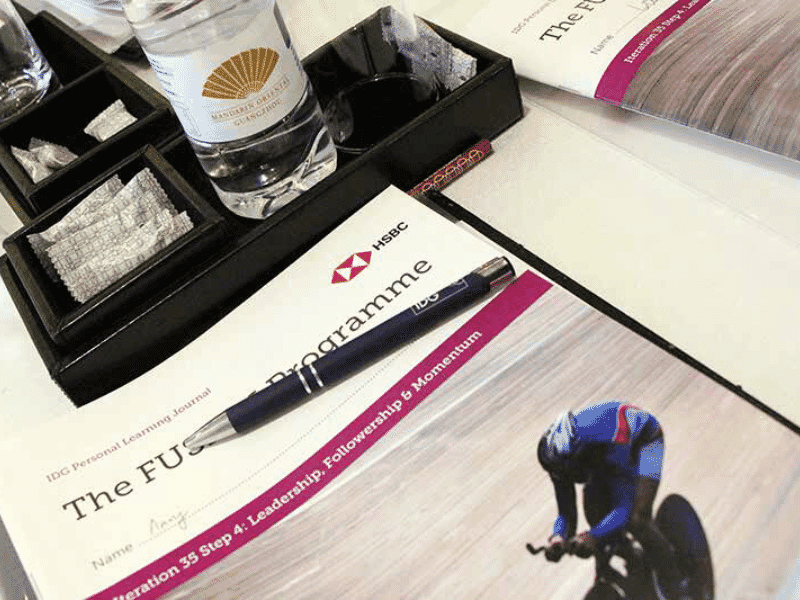
What does structured leadership development actually return? After 19 years of delivering FUSION, a year-long programme for HSBC, we have a considered answer. Drawn from...
VIEW ARTICLE
AI is rapidly becoming embedded in everyday work. The real challenge for organizations is no longer technology adoption, but how leaders exercise judgement and governance...
VIEW ARTICLE