What leaders are unlearning for 2026

Reflections from inside the work
As conversations about leadership in 2026 gather pace, much of the focus is on what leaders need to learn, adopt or master next. New skills. New tools. New models.
Across our work at Inspirational Group, we are noticing something different. Many leaders are not short of capability or frameworks. What they are grappling with is letting go. Of habits, assumptions and identities that once served them well, but now quietly get in the way.
What follows is not a definitive view of the future. It is a set of reflections drawn from conversations with colleagues across regions and disciplines, including Rona Mackenzie, Jake Meyer, Iain Robertson, Felicity Wingrove (Fliss), Riya Arora, Mark Relf, Nigel Girling, Lance Gerrard-Wright and Johanne Malin. These are observations from practice, not prescriptions.
Unlearning hierarchy as a source of influence
Several colleagues noted that hierarchy is no longer the dependable lever it once was.
Rona Mackenzie reflected that while clarity of role and expertise still matter, rigid hierarchy is increasingly overrated. Teams often work more effectively when leadership feels flatter, even when accountability remains clear. Riya Arora echoed this from her work across India and Asia, where deference to role and seniority has traditionally been strong. What feels different now is not the absence of respect, but the conditions under which respect is granted. Position may open the door, but it no longer sustains followership.
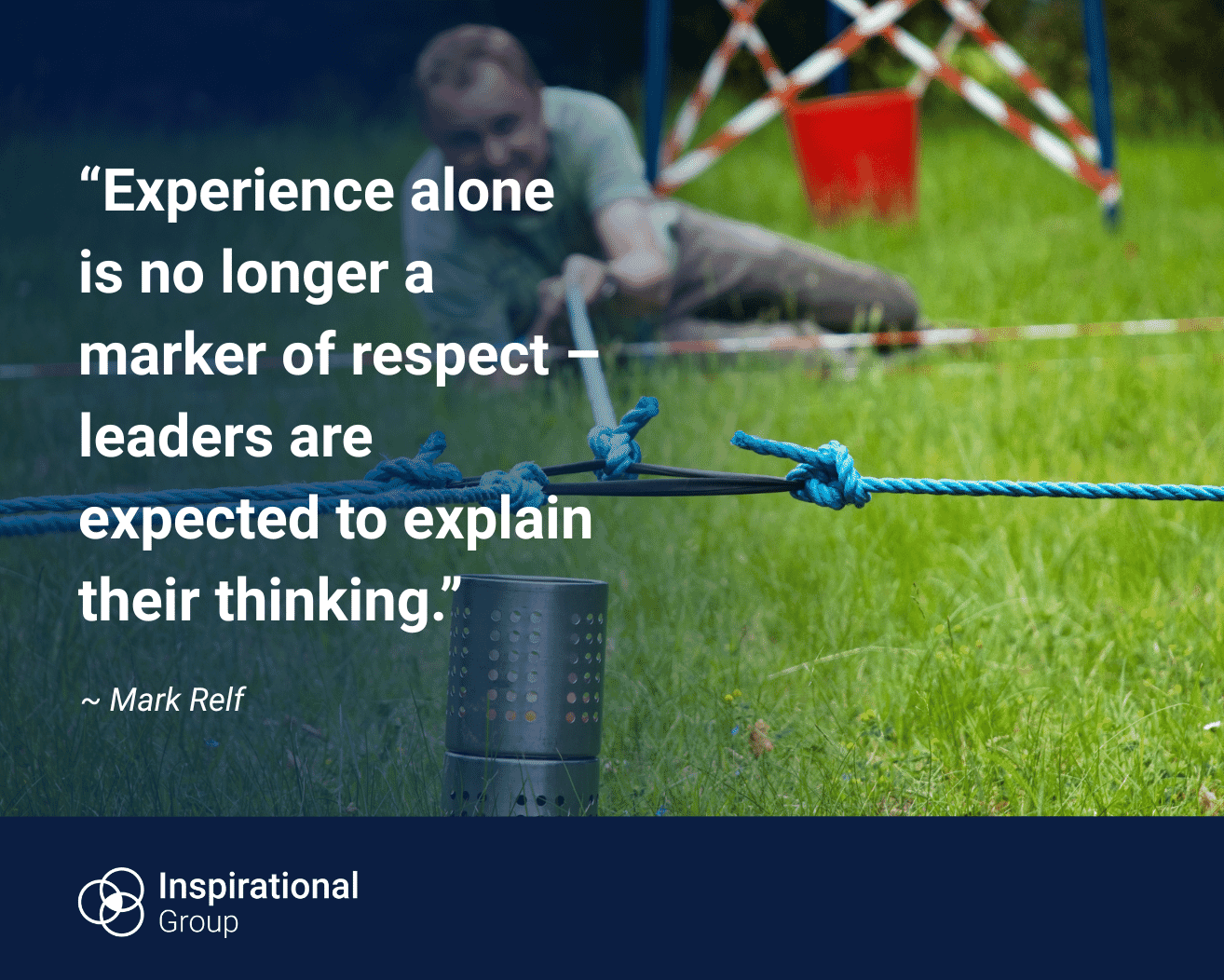
Mark Relf observed that younger employees are far more likely to challenge decisions and ask for the logic behind them. Experience and tenure alone are no longer assumed markers of credibility. Leaders are increasingly expected to explain their thinking, not simply assert it.
Johanne Malin added another dimension to this shift. She noted that leaders are questioning the assumption that they must always role model and lead from the front in every situation. Increasingly, effective leadership is about empowering the right people to take the lead when they are best placed to do so, without feeling threatened by that. Being honest about strengths and limitations, and facilitating others to deliver their best work, is becoming more important than personal visibility.
As Jake Meyer put it, authority without relationship now tends to create distance rather than confidence.
Unlearning the need to have the answers
One of the strongest themes across all contributions was the gradual unravelling of the leader-as-expert identity.
Jake Meyer noted that many leaders are questioning the idea that they must have the answers. Instead, they are leaning more into dialogue, shared sense-making and collective ownership. Saying “I don’t know” or asking “what do you think?” is becoming a legitimate leadership move.
Iain Robertson highlighted how difficult this shift can be in practice. Leaders who have spent decades being valued for knowing the answer often struggle to move into a more coach-like stance. The result can be well-intentioned but clumsy pseudo-coaching, questions that disguise a directive rather than open thinking.
Riya Arora and Felicity Wingrove both pointed to a deeper layer of unlearning here. Letting go of being right requires leaders to examine their own preferences, biases and filters. As Fliss observed, many leaders understand this at a surface level, but far fewer are able or willing to do the deeper work required to build genuine self-awareness and curiosity.
Unlearning control as care
Another pattern emerging is the recognition that control and care are not the same thing.
Jake Meyer spoke about leaders letting go of busyness and constant fixing as a proxy for value. Stepping in, firefighting and rescuing can easily become interference, even when driven by good intent. A more useful question now may be “What do you need to be successful?” rather than “How can I help?”
Riya Arora described a similar tension. Many leaders want to protect their people, but that protection can show up as over-direction. What teams increasingly value instead is trust, access and space, knowing the leader is there without micromanaging.
Johanne Malin observed that even when leaders have the authority to shape their own business areas, they often lack the confidence to really shake things up. Familiar ways of running meetings, performance reviews or town halls persist, not because they work well, but because “this is how it’s always been done”. Listening more deeply to what people actually need in order to perform is still surprisingly hard for many leaders.
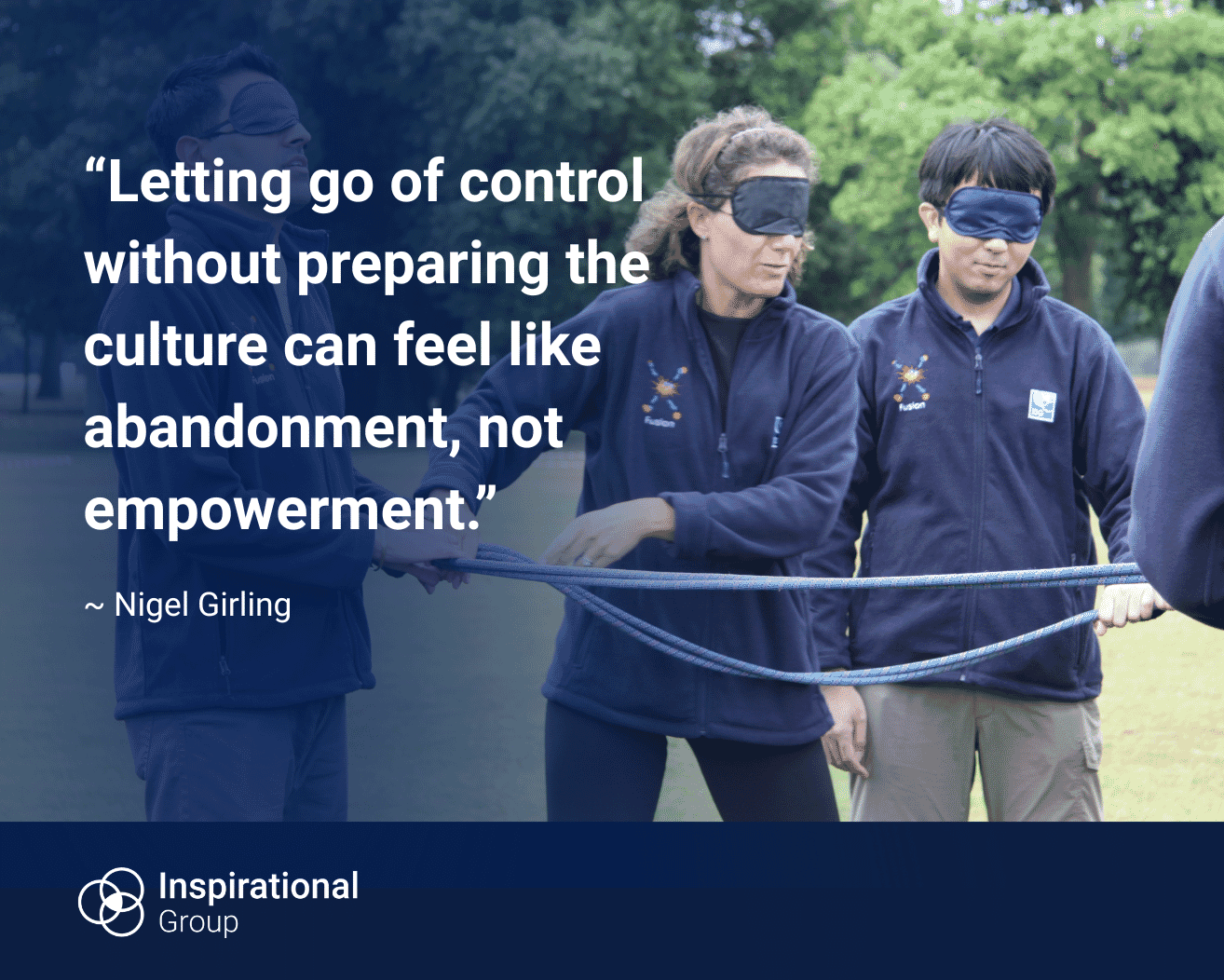
Nigel Girling added an important note of caution. Simply withdrawing control without preparing the ground can be experienced as abandonment rather than empowerment. Leaders often shape a local culture through years of behaviour. Changing that dynamic requires care and intent, not a sudden swing from hands-on to hands-off.
Unlearning busyness, sacrifice and martyrdom
Several contributors reflected on the unlearning of busyness as a marker of commitment or value.
Rona Mackenzie noted that post-pandemic, leaders are questioning the assumption that work should consume their lives. Many are reconsidering where they invest their time and energy, and whether it feels meaningful.
Jake Meyer highlighted the risks of performative availability. “I’m always available” is often said with positive intent, but it can quickly unravel. One moment of unavailability can expose it as hollow. Leaders are discovering that modelling boundaries and sustainability matters more than constant accessibility.
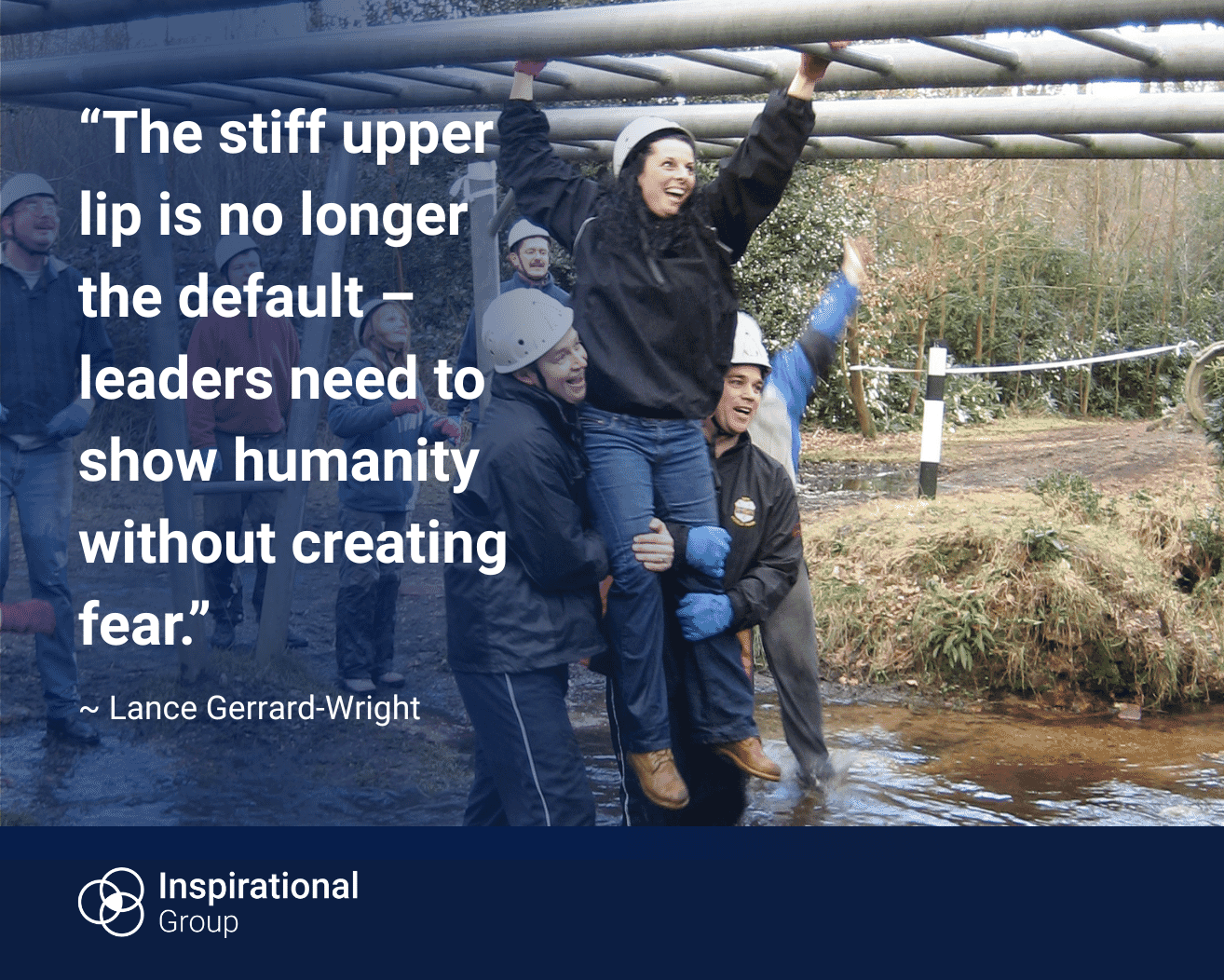
Lance Gerrard Wright added that this shift requires balance. Leaders still set the emotional tone, particularly in moments of uncertainty, but the stiff upper lip is no longer the default. Showing humanity, without creating fear or instability, is increasingly part of the role.
Unlearning heroic and charismatic leadership
The idea of the heroic individual leader came up repeatedly.
Rona Mackenzie suggested that ego is out and humility is in. Charisma alone, particularly when performative, feels increasingly out of step. Jake Meyer described leadership as enabling collective intelligence rather than standing out. When things are going well, leaders may be deliberately less visible. When challenges arise, that is when presence really matters.
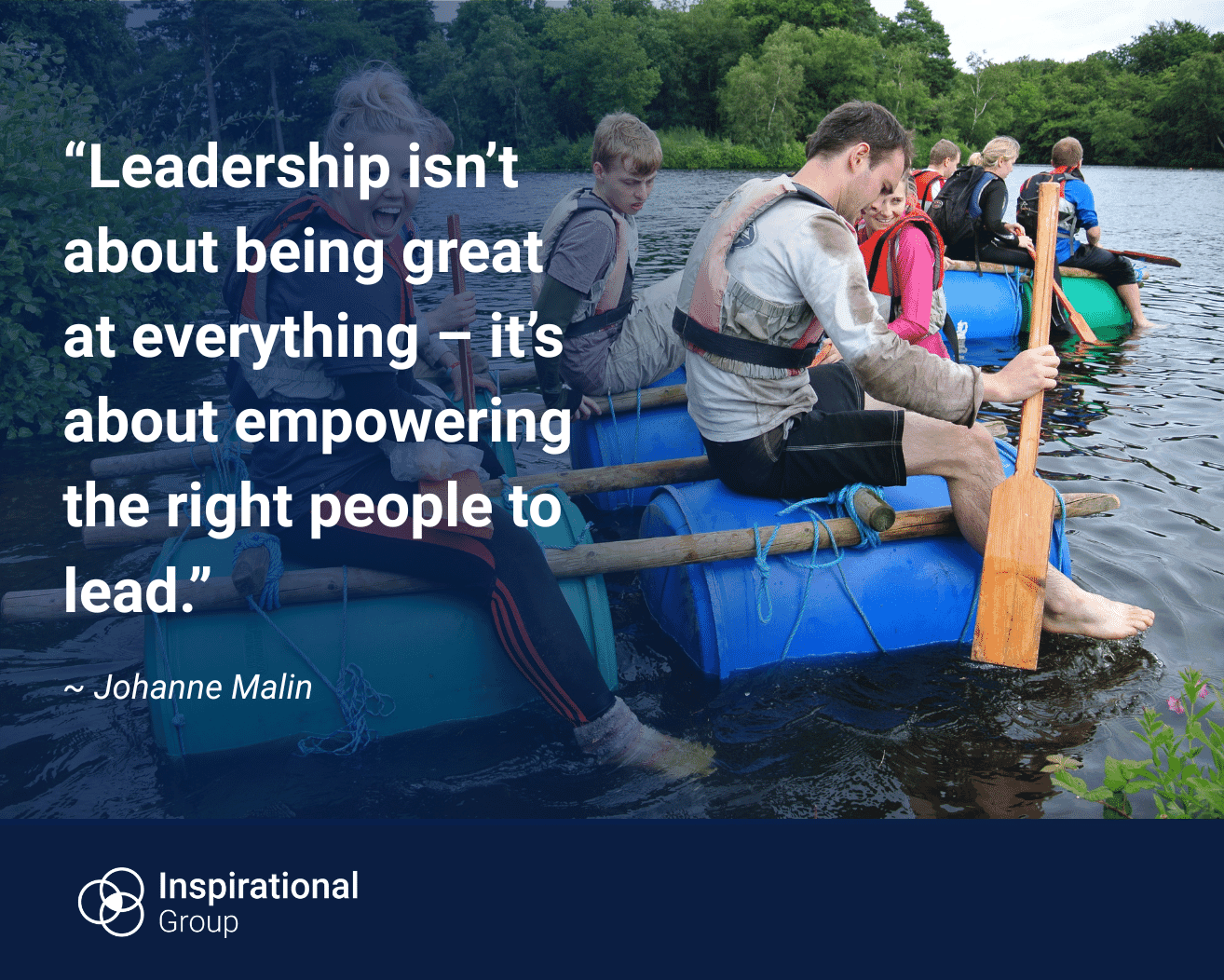
Johanne Malin reinforced this from another angle, noting that leadership is less about being exceptional at everything and more about creating space for others to lead. The expectation that leaders must personally demonstrate excellence in all circumstances is quietly being unlearned.
Mark Relf added that top-down direction without real consultation feels increasingly outdated, particularly in more diverse and intergenerational teams.
This shift is not about shrinking leadership. It is about creating the conditions for others to contribute fully.
Unlearning fixed career paths and loyalty myths
Finally, several contributors noted how traditional assumptions about careers are being quietly dismantled.
Iain Robertson pointed to the limits of the “up or out” model. Many people now value time, flexibility and sideways moves that build skills without increasing responsibility. Leaders who rely on promotion alone to retain talent may struggle.
Mark Relf and Riya Arora observed that long-term commitment to a single organisation is no longer the primary marker of a “good employee”, particularly for younger generations. Learning opportunities, exposure and meaningful work often matter more than tenure.
Johanne Malin added a useful counterpoint here. She questioned the growing tendency to search for new models or silver bullets in response to generational change or global uncertainty. Often, the fundamentals still matter most: knowing your people, acting with integrity and leading authentically.
A final reflection
What connects all of these threads is that unlearning is not technical work. It is personal. It asks leaders to question identities that once brought success and certainty. It requires patience, humility and a willingness to sit with discomfort.
As Felicity Wingrove noted, when leaders can face who they are with curiosity and compassion, they give their teams permission to do the same.
None of this is neat or finished. These are live conversations, shaped by context, culture and the people involved. But across regions and disciplines, the pattern is consistent. The leaders best prepared for 2026 are not racing to add more. They are doing the quieter, harder work of letting go.
If these reflections resonate, we’d love to continue the conversation.
Editor’s note
This piece was shaped collaboratively, drawing on reflections from colleagues across Inspirational Group who work closely with leaders in different regions and contexts. The perspectives shared represent lived experience and observation, not a single viewpoint or universal truth.
You may also like...
Most leadership development programmes teach people what to think. Leadership simulation exercises put them in conditions where they have to think, decide and act. Under...
VIEW ARTICLE
What does structured leadership development actually return? After 19 years of delivering FUSION, a year-long programme for HSBC, we have a considered answer. Drawn from...
VIEW ARTICLE
AI is rapidly becoming embedded in everyday work. The real challenge for organizations is no longer technology adoption, but how leaders exercise judgement and governance...
VIEW ARTICLE