Why Courage and Psychological Safety Go Hand in Hand in Great Leadership

In today’s world of constant change and complexity, courage is not just a personal trait. It is a leadership imperative. But courage does not exist in isolation. It grows in environments where people feel safe to speak up, experiment, and challenge the norm. That is where psychological safety comes in.
At Inspirational Group, we believe the next step in effective leadership is about creating cultures where both safety and boldness can thrive. Following our masterclasses on Purpose and Trust, we are turning our attention to the powerful combination of Psychological Safety and Courageous Leadership.
What is psychological safety and why does it matter?
Defined by Amy Edmondson and supported by research from McKinsey, psychological safety is the belief that you will not be punished or embarrassed for speaking up with ideas, concerns, or mistakes. It is essential for creativity, learning, and collaboration.
Teams with high psychological safety:
- Innovate more quickly
- Harness diverse thinking
- Recover from setbacks more easily
- Learn and grow together
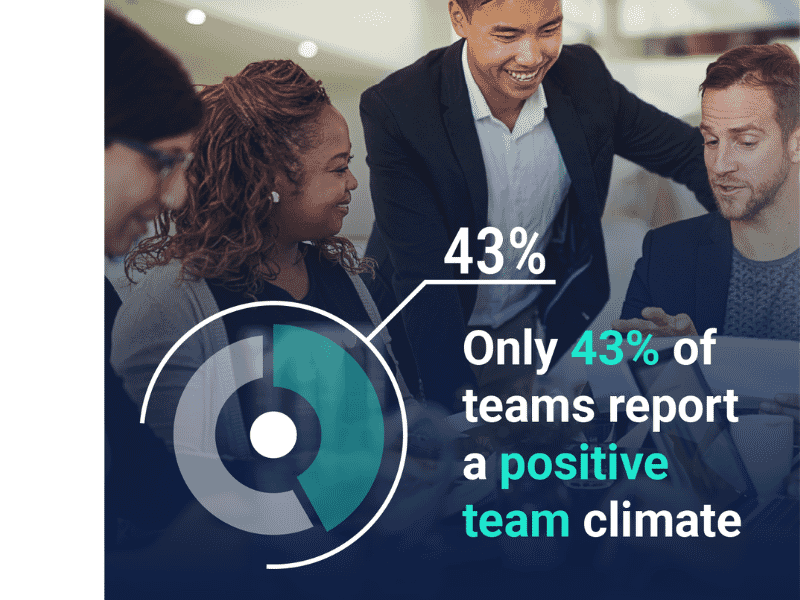
However, McKinsey’s findings show that few leaders consistently demonstrate the behaviours that create this kind of climate. And when leadership relies too heavily on control or pressure without support, the result is often silence, not performance.
Courageous leadership in practice
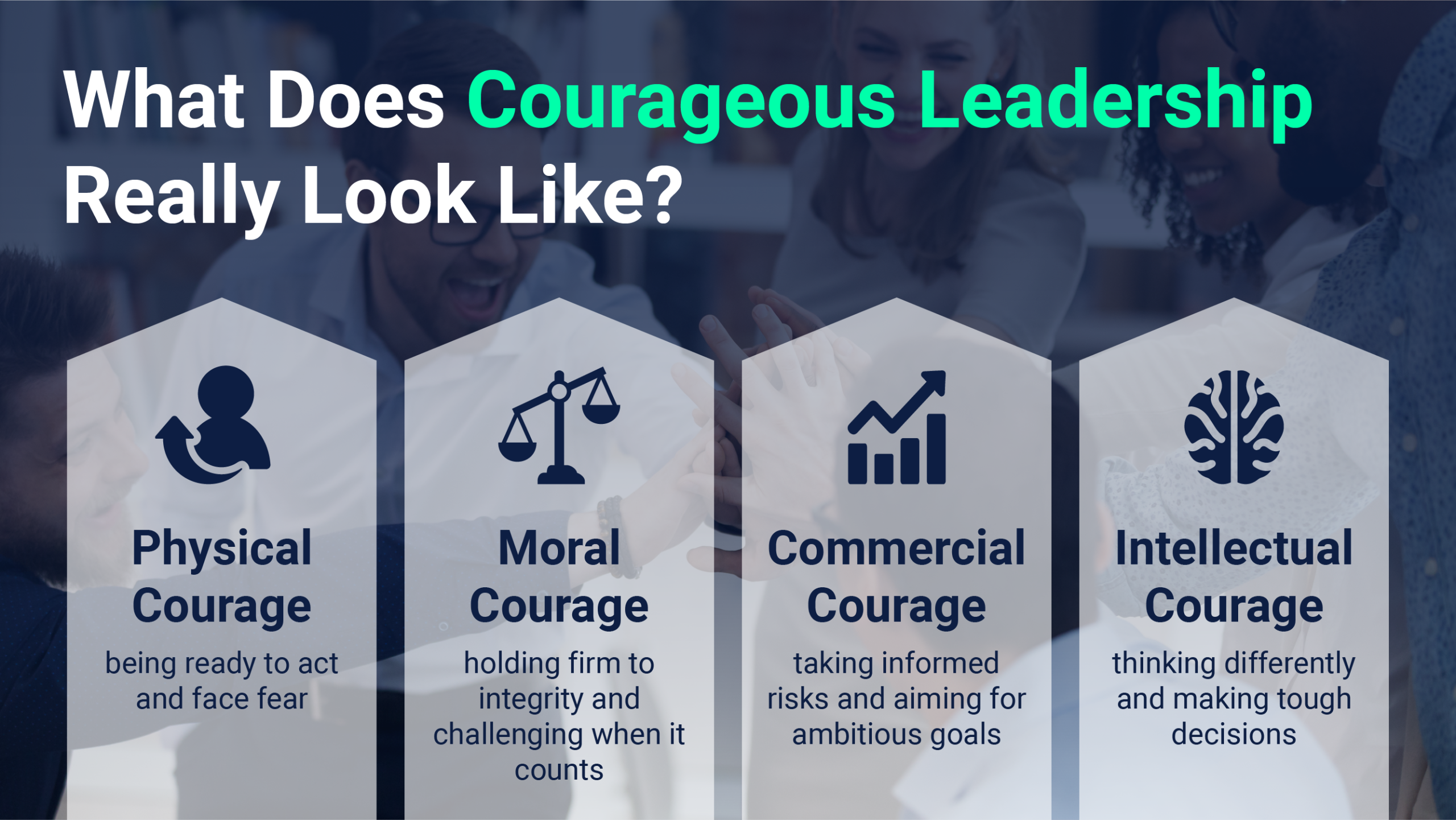
To help explore what courage looks like in action, we are using a framework developed by Iain Robertson. It breaks courage into four areas:
- Physical Courage – being ready to act and face fear
- Moral Courage – holding firm to integrity and challenging when it counts
- Commercial Courage – taking informed risks and aiming for ambitious goals
- Intellectual Courage – thinking differently and making tough decisions
This model reminds us that courage takes many forms. It is not just about bold actions. It is about consistency, clarity, and conviction across a range of situations. And it cannot flourish without trust.
Why You Need Both
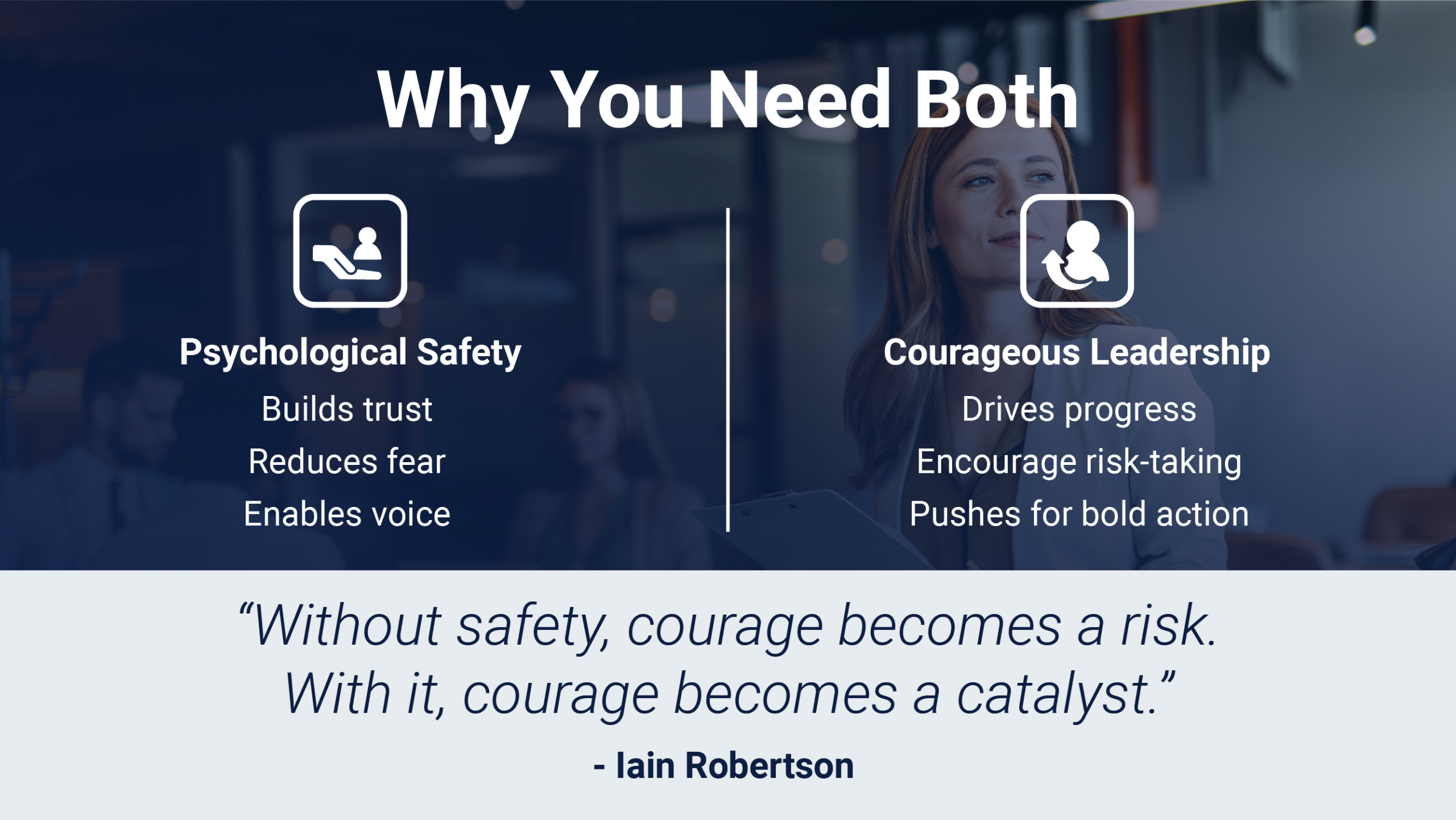
Psychological safety and courageous leadership are not competing ideas. They are interdependent.
One creates the conditions for voice, trust and openness. The other pushes people to act, grow and stretch beyond what feels comfortable. When both are present, teams are more likely to challenge ideas, take calculated risks and adapt faster.
See the image below for a quick comparison of how each contributes to strong team culture.
The Balance Between Safety and Stretch
According to McKinsey, the most effective leaders are those who do three things consistently:
- They support their people as individuals
- They ask for input before deciding
- They challenge people to stretch themselves, but only after creating a strong foundation of trust*
Getting this balance right is critical. When people feel safe and supported, they are more likely to rise to a challenge. When they feel exposed or dismissed, they often withdraw.
What’s Coming Next
Last September, our Leadership Masterclass dived deeper into this theme. We explored how leaders can create cultures where psychological safety and courage reinforce each other, rather than compete.
Participants experienced a session filled with insight, tools, and real stories designed to help them lead with greater clarity and confidence. The session covered:
- What psychological safety looks like in day-to-day leadership
- The role of courageous leadership in driving growth and resilience
- How to support teams while still stretching performance
For those looking to lead more bravely, more openly, and with greater impact, the masterclass offered practical ideas and inspiration.
You may also like...
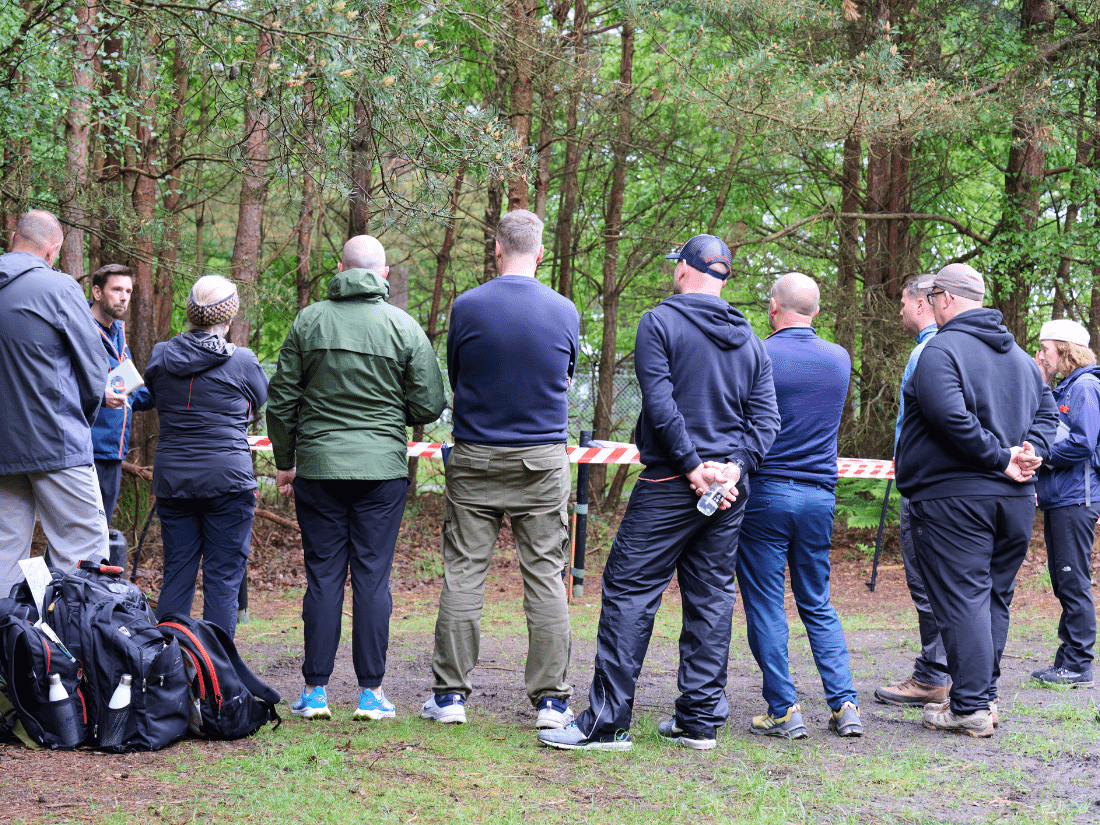
Most leadership development programmes teach people what to think. Leadership simulation exercises put them in conditions where they have to think, decide and act. Under...
VIEW ARTICLE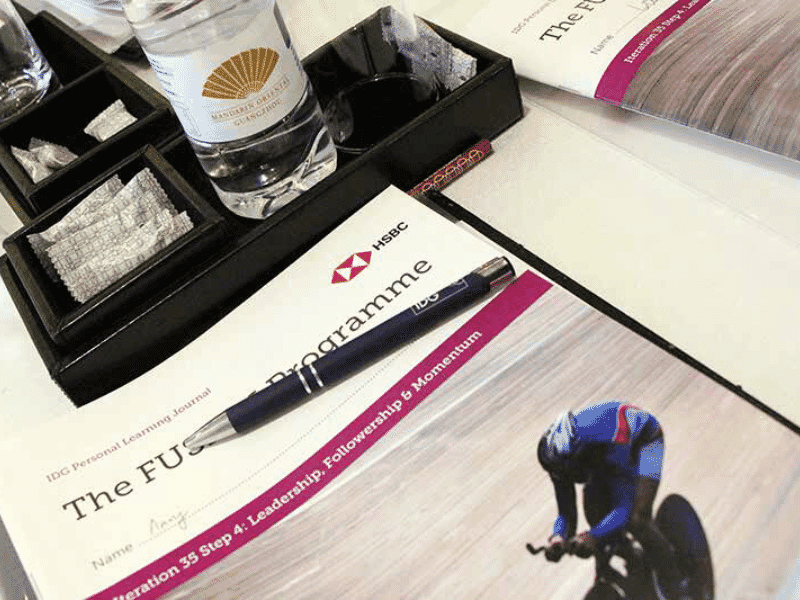
What does structured leadership development actually return? After 19 years of delivering FUSION, a year-long programme for HSBC, we have a considered answer. Drawn from...
VIEW ARTICLE
AI is rapidly becoming embedded in everyday work. The real challenge for organizations is no longer technology adoption, but how leaders exercise judgement and governance...
VIEW ARTICLE