Resilient as Fudge: Finding Strength, Balance and Happiness in the Flow of Life

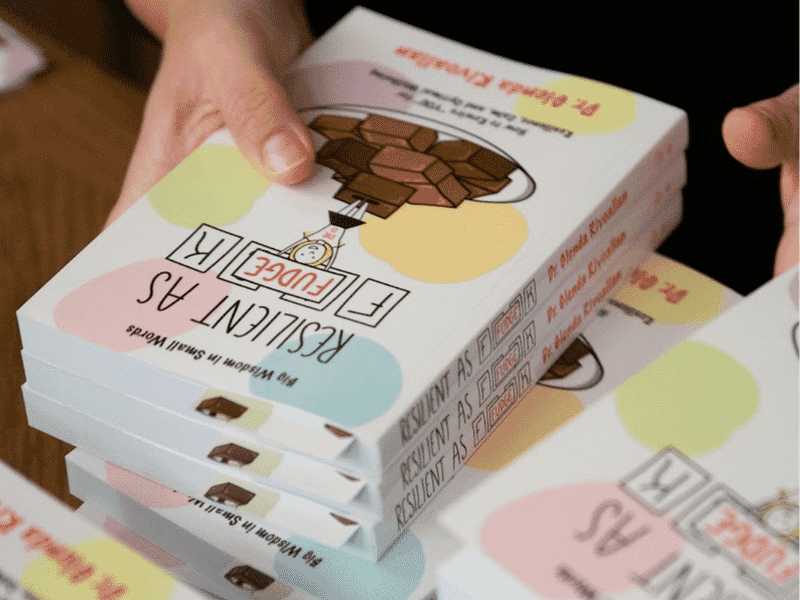
Our October Book Club with Dr. Glenda Rivoallan (Dr. G) was as energising as it was grounding. Hosted with warmth and insight by Lesley Mourant, the session explored the themes behind Glenda’s book Resilient as Fudge and reminded us that resilience is not about being unbreakable, but about being real.
From the very start, Dr. G invited us to let go of perfection and embrace life as it truly is.
“There is no such thing as dream life. There is just real life, and real life throws us twists and turns along the way.”
Her reflections were full of truth, humour and humility. Resilience, she explained, is not found in the moments when everything goes right, but in how we respond when it does not.
Resilience: A Recipe Worth Tweaking
Why fudge? As Dr. G shared, the confectionery itself was born out of a mistake. In 19th-century America, a group of confectioners tried to make tablet but “fudged it up” and what they created instead was something entirely new and delicious.
“Resilience is like fudge. It is trial and error. It is learning from mistakes and finding the recipe that works for you.”
For Dr. G, resilience is not about hardening ourselves against challenge. It is about staying flexible enough to keep experimenting, adapting and learning.
“Resilience is not just bouncing back. It is bouncing forward, stronger and wiser than before.”
The Framework for Resilience
Drawing on her doctorate research and decades of experience in wellbeing and leadership, Dr. G shared her practical model for resilience that balances science, self-reflection and everyday action.
Mindset:
The foundation of resilience. It starts with awareness of how our beliefs, experiences and environments shape the way we think, feel and act.
Skillset:
The ability to lead, manage and role model to ourselves before we do so for others.
Toolset:
The practical habits that sustain our wellbeing such as energy management, boundaries, sleep, movement, hydration and mindful consumption.
“A healthy body is a healthy mind, and a healthy mind is a healthy body. You cannot build resilience on rocky foundations.”
During the session, Dr. G shared a few of the practical tools from her book that help people build self-belief, self-awareness and self-compassion. These were just a small taste of what Resilient as Fudge offers. The book contains an incredible 52 life lessons and tools designed to help you shape your own resilience blueprint across the year.
Her invitation to us all was simple yet powerful: make time to recharge, to pause and to see doing nothing as doing something.
Leadership, Responsibility and Resilience in Organisations
This part of the conversation with Lesley drew deep reflection across the group. Lesley posed an important question: Whose responsibility is it to build resilience, the individual or the organisation?
Dr. G’s answer: it is both.
The Dual Responsibility Model
Dr. G described resilience as a shared commitment between individuals and the systems they work within. Each person must take responsibility for self-awareness and self-care, but leaders and organisations hold equal responsibility for creating the environment where resilience can flourish.
“Leaders need to build their own self-management, self-leadership and role modelling first. Once they do, those thoughts, feelings and behaviours ripple through the organisation.”
When leaders show healthy boundaries and compassion in action, they give permission for others to do the same.
The Impact of Work Relationships
Dr. G also highlighted that the greatest drain on resilience is often not workload, but work relationships.
“A negative attitude spreads like a disease,” she said. “Resilience is contagious, but so is negativity.”
Building a positive organisational culture requires leaders to model optimism, empathy and open communication. By addressing tension and promoting psychological safety, teams can replace pressure with possibility.
Failure, Learning and Creativity
One of the most thought-provoking moments of the session came when Dr. G reframed failure.
“Failure is only destructive when you never learn from it. If you fail once and repeat it, that is a missed opportunity. But if you use it to grow, that is resilience in motion.”
She warned that a culture of blame kills creativity. In contrast, organisations that talk openly about mistakes become more innovative, connected and courageous.
The Spiritual Thread: Awareness, Energy and Flow
Towards the end of the session, Dr. G invited us to explore resilience not just as a skill, but as an energy state. Our wellbeing, she said, is like an electric current: when our thinking, feeling and behaviour are aligned, energy flows freely. When one part is blocked, the current weakens.
“If you are not healthy in your thinking, you will feel it. If your feelings are unsettled, your behaviour will follow. They are all connected.”
She reminded us that mindfulness helps us find space between thought and action. That space is where energy resets, where self-awareness deepens, and where peace begins.
“We all need a factory reset sometimes. It does not mean we have failed. It means we are human.”
Her closing reflection left a lasting impression:
“The path to unhappiness is comparison, judgment and expectation. They only cause pain and suffering. Happiness is already here if we let it in.”
Continuing the Journey
If you missed the live session, you can catch up at your own pace.
Dr. G also shared exciting news that Resilient as Fudge is now available as an interactive app, guiding individuals and teams through a one-year resilience journey with tools, videos and reflective exercises.
Because in Dr. G’s words:
“We all deserve happiness in our lives. To live well, to work well, and to be as resilient as fudge.”
You may also like...
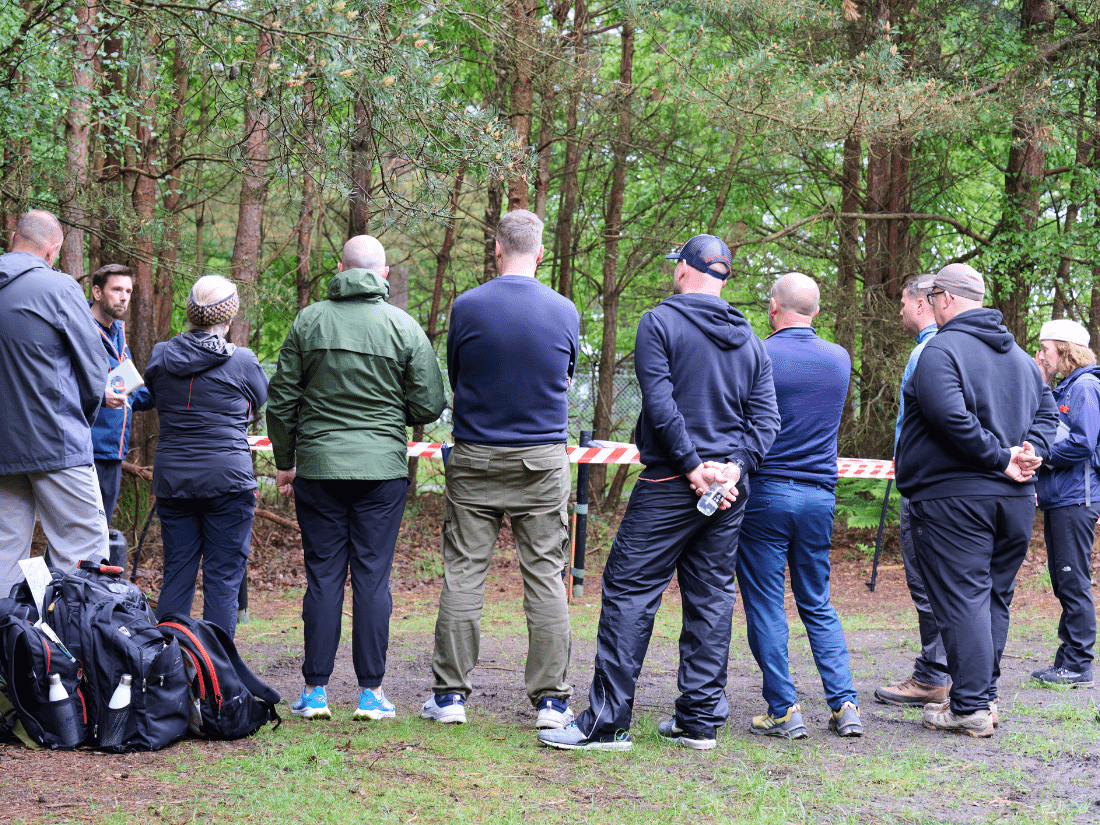
Most leadership development programmes teach people what to think. Leadership simulation exercises put them in conditions where they have to think, decide and act. Under...
VIEW ARTICLE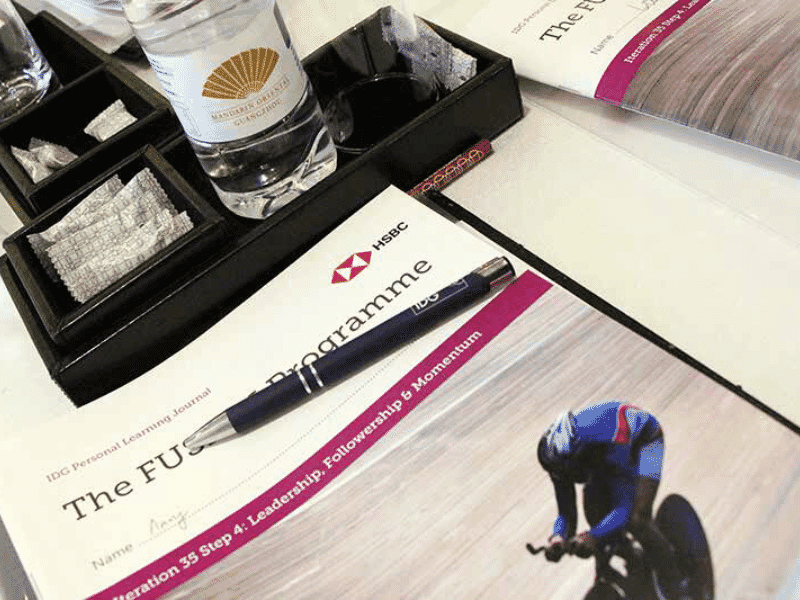
What does structured leadership development actually return? After 19 years of delivering FUSION, a year-long programme for HSBC, we have a considered answer. Drawn from...
VIEW ARTICLE
AI is rapidly becoming embedded in everyday work. The real challenge for organizations is no longer technology adoption, but how leaders exercise judgement and governance...
VIEW ARTICLE